
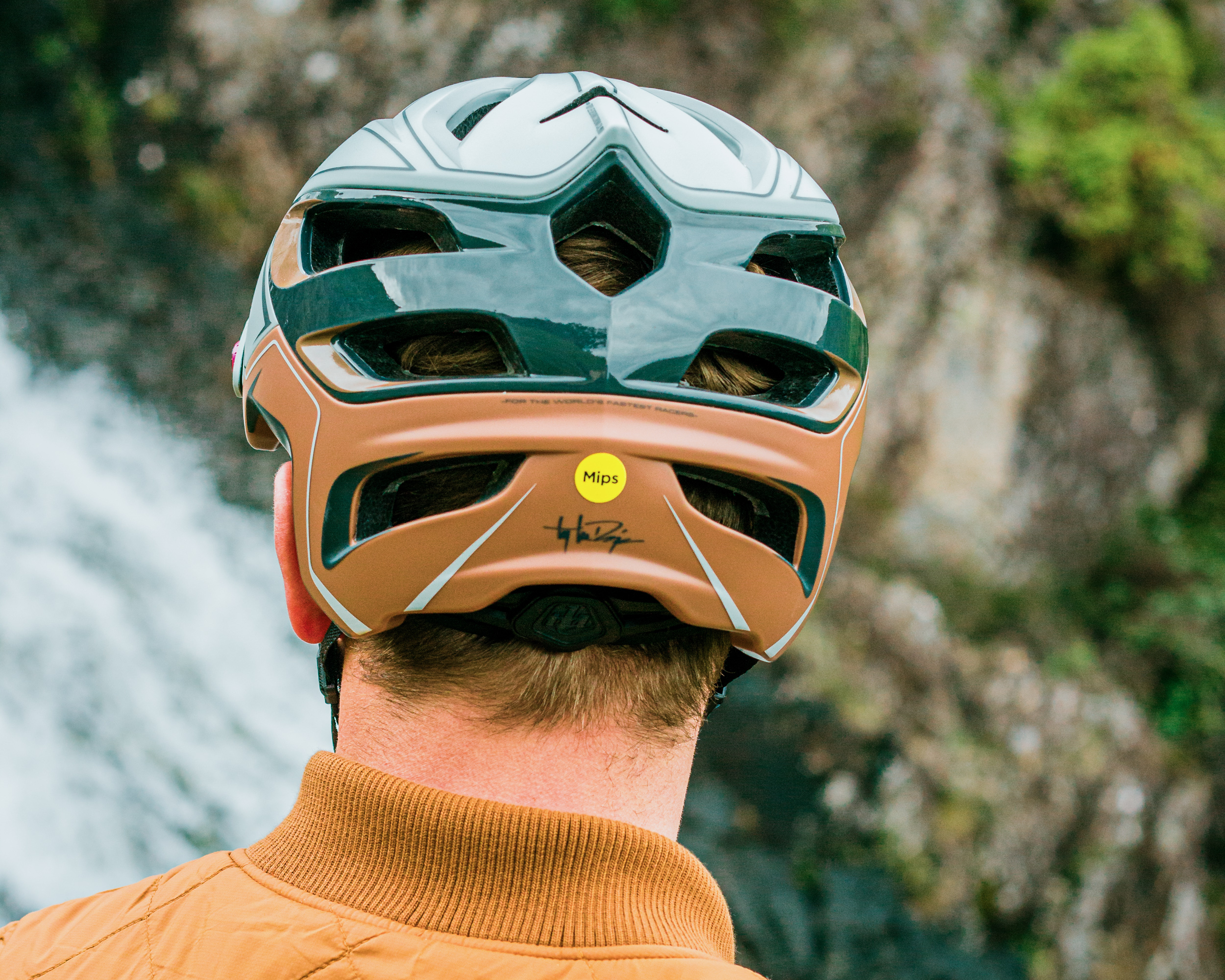
When shopping for a new helmet, you’ve probably come across the term MIPS, which is often highlighted as a major safety feature. But what does MIPS actually mean, and how does it work?

Short for Multi-Directional Impact Protection System, MIPS is a technology that is designed to reduce the rotational forces that occur during angled impacts which are common in real-world crashes. The creation of MIPS began with a group of individuals who dedicated their lives to understanding the complex relationship between brain injuries and helmet construction. They spent years immersing themselves in scientific research, hoping for a breakthrough that would transform the safety standards of helmets. In 2007, safety changed for the better and the first helmet with a MIPS safety system was created. This journey would result in changing the world of helmet safety forever.
How does it work?
Most helmets on the market certified by industry-accepted safety standards can reduce the energy of a straight, linear impact. But when it comes down to angled impacts, which are the most common types of crashes and falls, a MIPS safety system equipped helmet can help reduce harmful rotational energy.

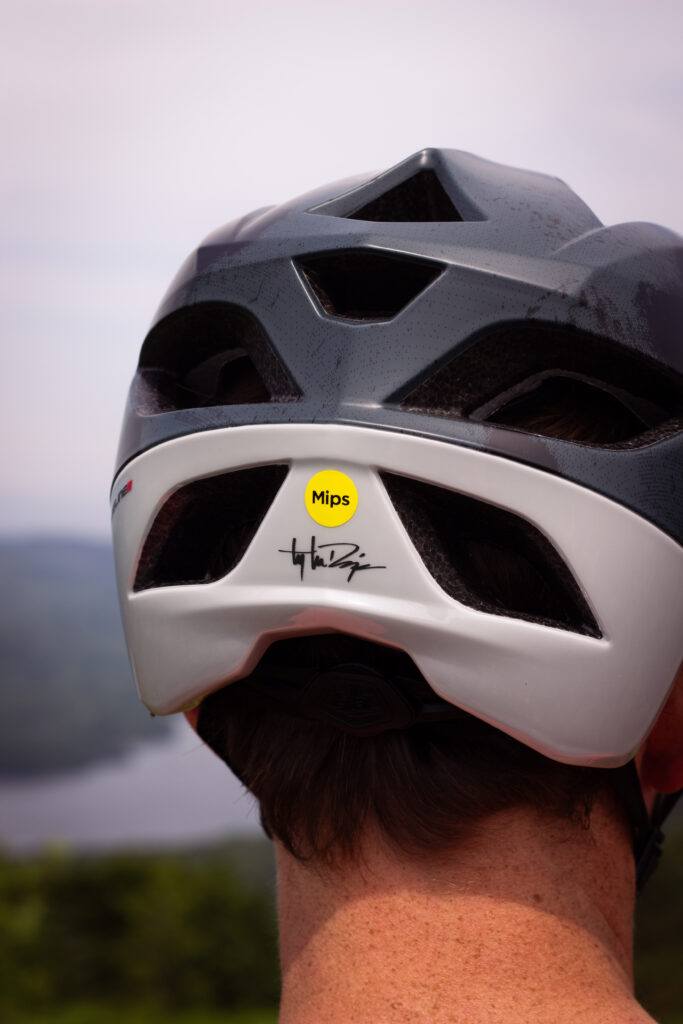

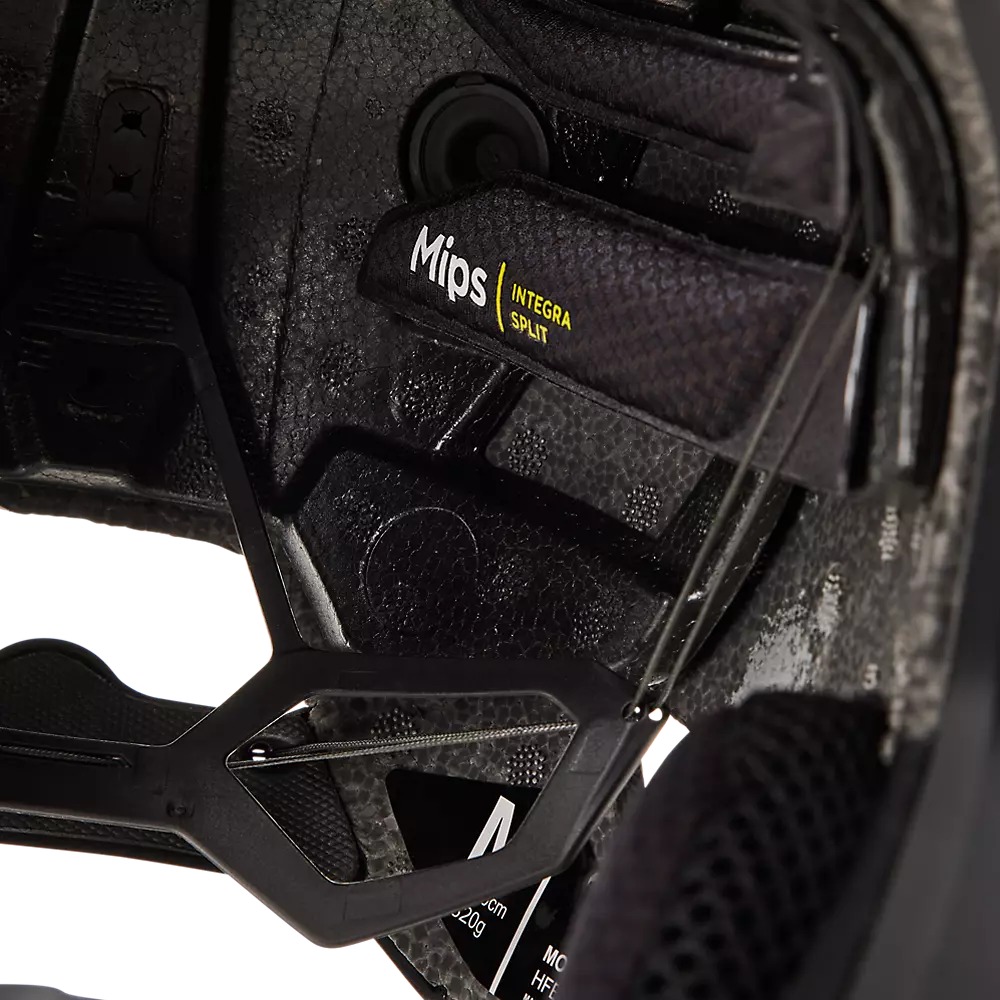
When your helmet hits the ground, most likely there will be a sudden stop and rotation of the helmet. MIPS safety system intends to redirect that energy away from the head. It works by adding a low-friction layer within the helmet, and this is known as the MIPS layer. This layer sits between the energy-absorbing layers in the helmet and this is how the head can move slightly, which reduces the risk of injuries.
How is it tested?
When a manufacturer decides to create a helmet equipped with a MIPS safety system, they work closely with the engineers at MIPS to tailor the system to each helmet and size. Once a design has been set, helmets are sent for testing approval in Sweden.
The tests are performed by putting the helmet on a dummy head called Hybrid III which is equipped with accelerometers. Each test is then filmed by a high-speed camera. The pulse of acceleration is captured and sent to the teams computers, which simulates the results of impact. The data can show if the strain in the brain appears in the model to be significantly reduced with the MIPS low-friction layer installed.
How do they rank?
Taking a look at the Virginia Tech Helmet Ratings, I found that there is a significant chunk of helmets that have fitted MIPS safety systems that have scored 5 out of 5. This means that they have scored well in safety testing, and are a good reflection of real-world crashes, and what helmets are really on your side to protect you.
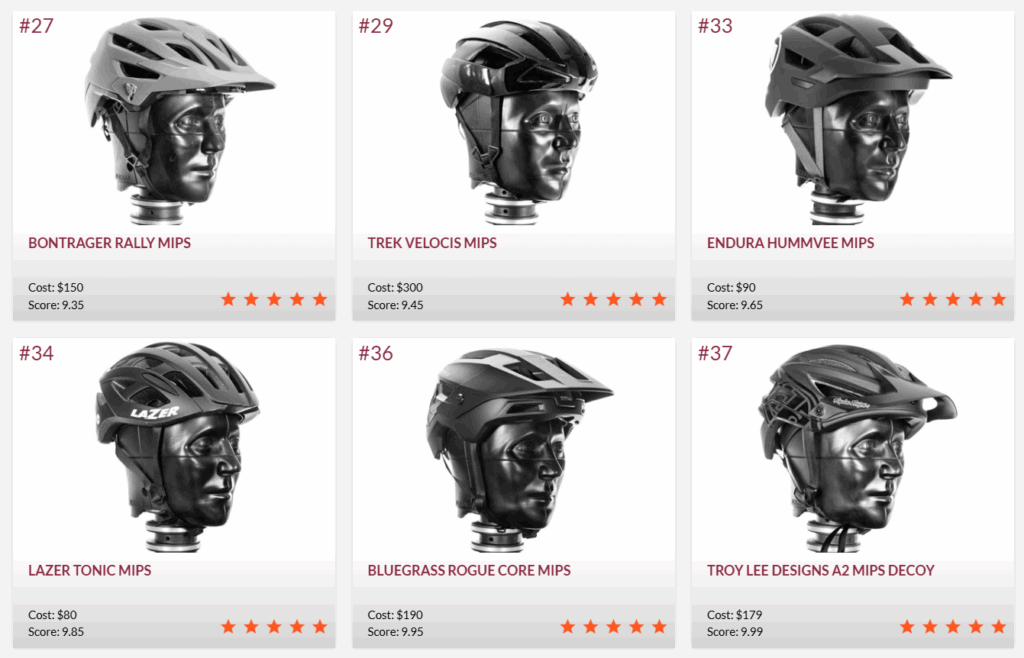
Because Virginia Tech ratings are comparable across brands and also transparent and data-driven, seeing MIPS helmets perform well, confirms you’re not paying extra just for a logo, and it helps justify choosing a helmet designed for brain injury reduction, not minimum compliance.
If you want to read more on the STAR rating system, my previous blog delves into what it means, and shares some helmet examples, and scores, Read Here.
What brands use it?
More and more bike helmet brands are choosing to integrate MIPS technology into their designs, and it’s a trend that speaks volumes about the industries focus on rider safety. Once a niche option, MIPS has become a near-standard feature for companies that want to exceed basic safety requirements.



Brands from everyday commuter helmets to high-end mountain and road models, such as Fox, TroyLee, Giro, Bell, Smith and Specialized, now offer MIPS versions, due to the demand for safety from independent testing companies.
Fox helmets
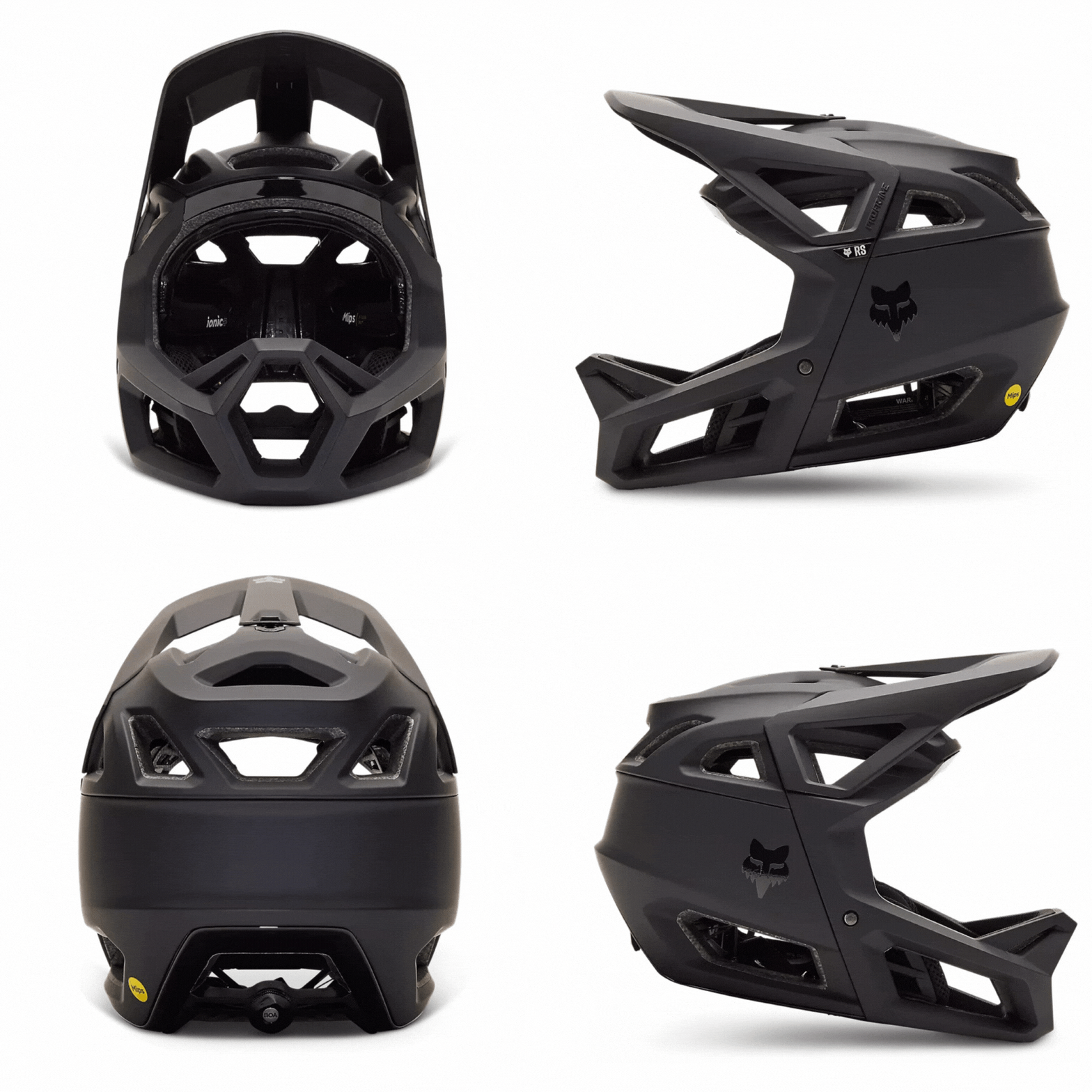
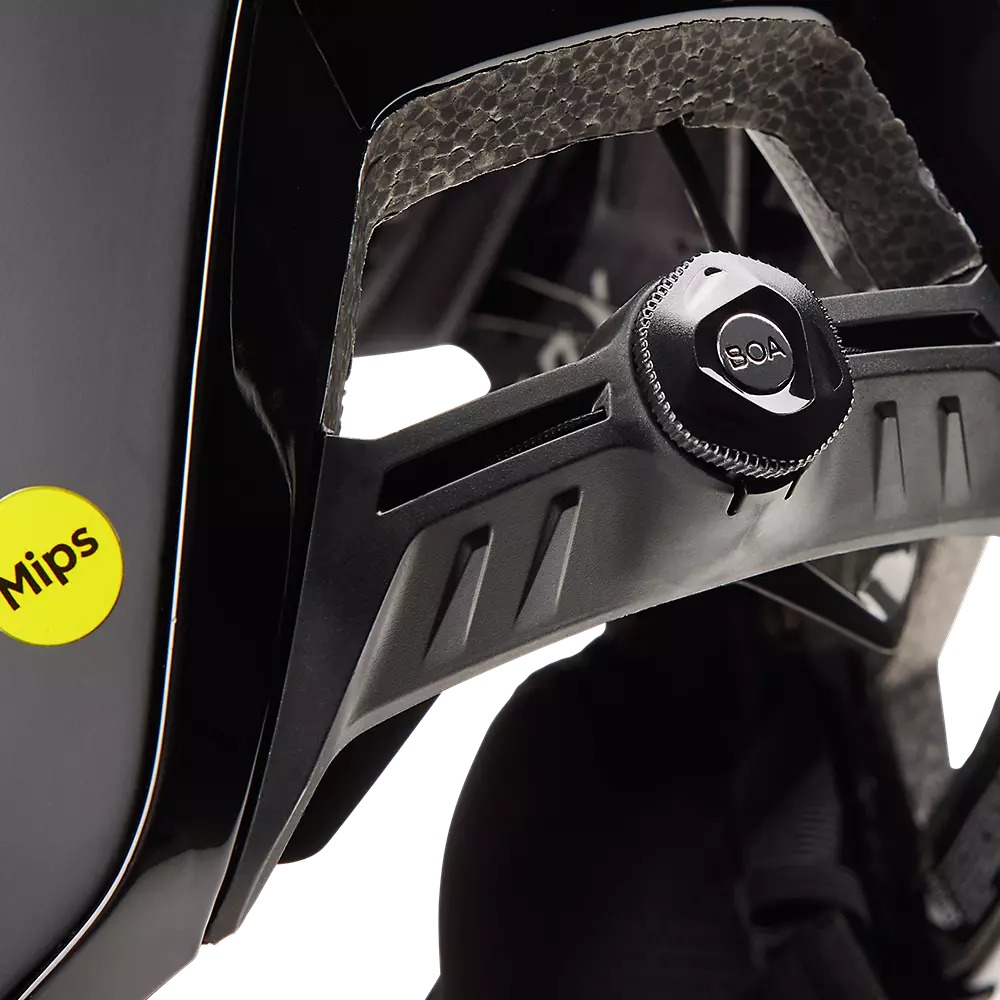
Fox has integrated MIPS technology into many of its helmets to enhance safety by helping reduce rotational forces in real-world impacts.
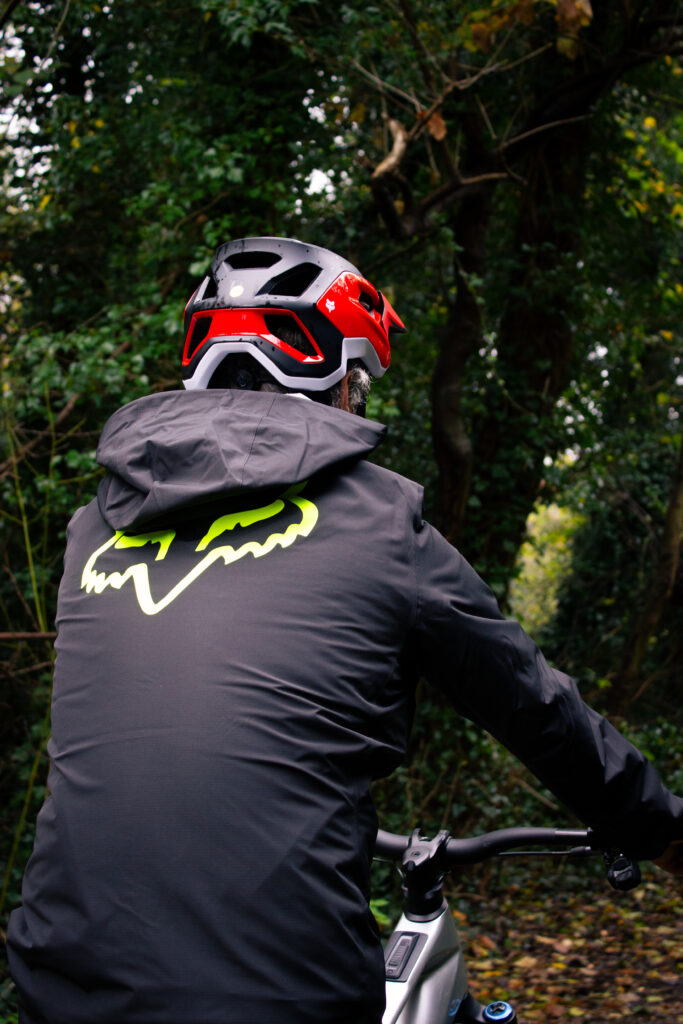
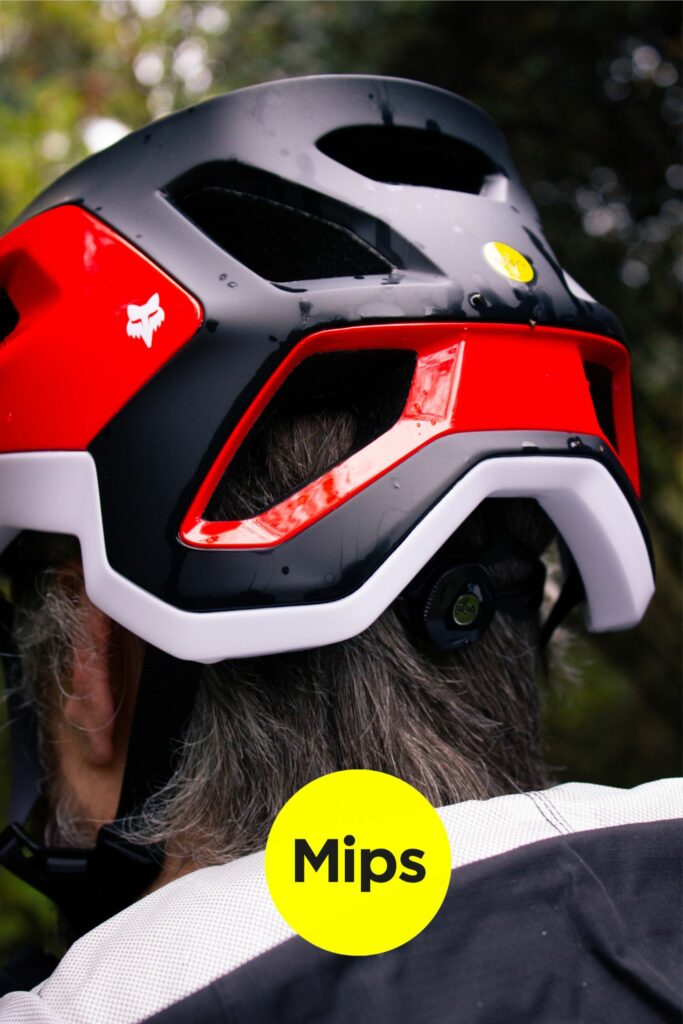

Fox Speedframe ProDefy MIPS MTB Helmet
They have full-face helmets and MTB helmets that offer MIPS technology safety features. The main trail and MTB helmets are the Speedframe, the Mainframe and the ProFrame.
Troy Lee Designs helmets
Troy Lee Designs integrates MIPS in many of their helmet models to help manage impact and keep safety paramount. Having this technology built into helmets across trail, enduro and downhill categories, gives riders more safety-focused options no matter their discipline.
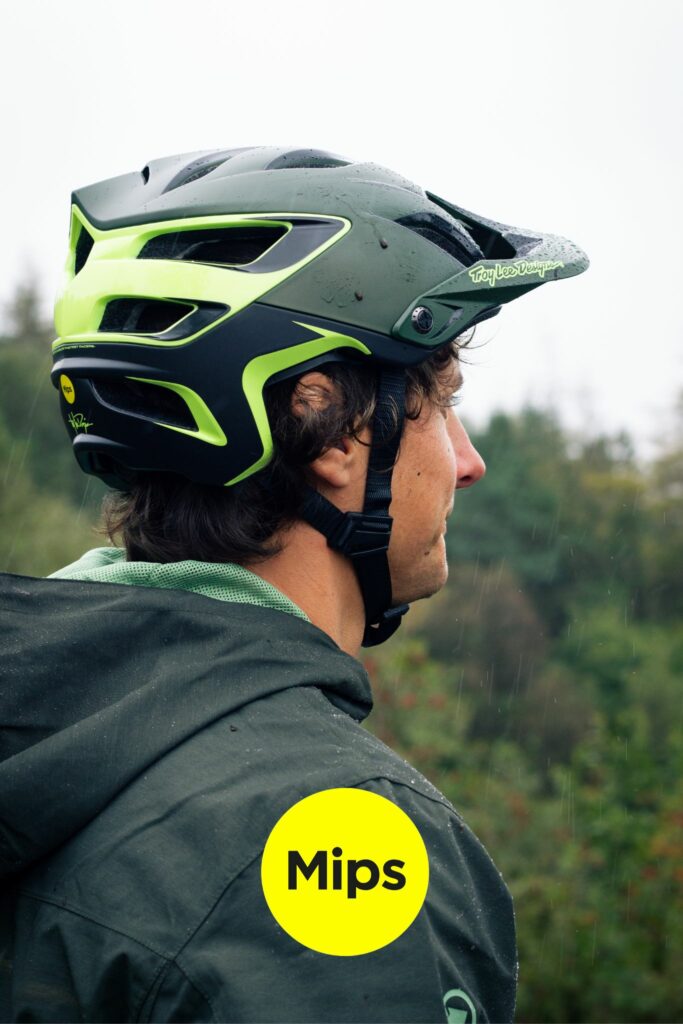
Troy Lee Designs A3 MIPS MTB Helmet
The A3 is made from EPS and EPP foams for equal protection across high and low-speed impacts, using MIPS technology.
£220.00 £99.99
55% off
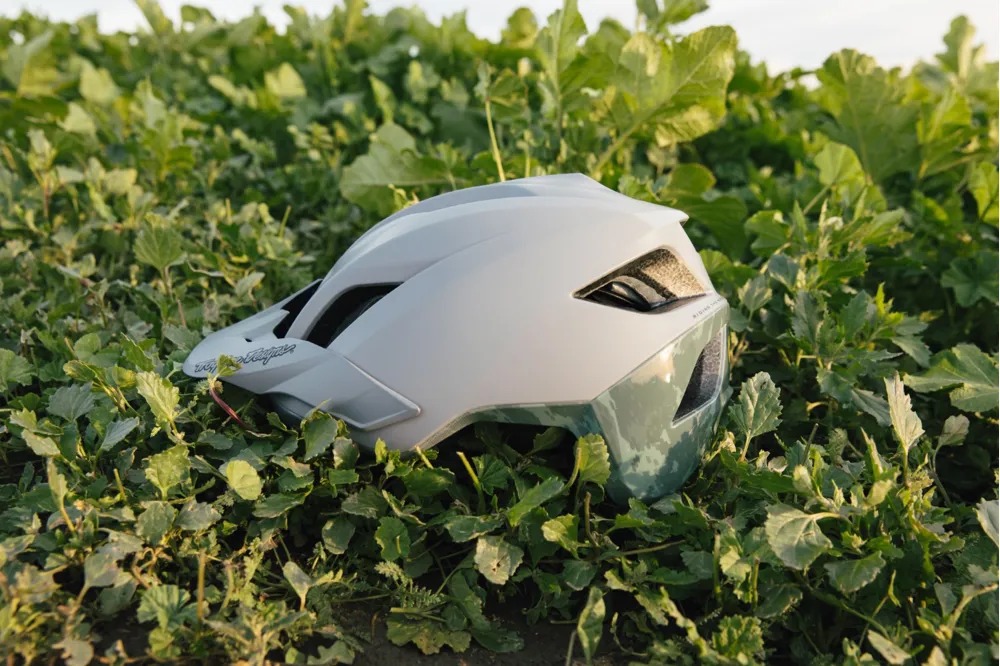

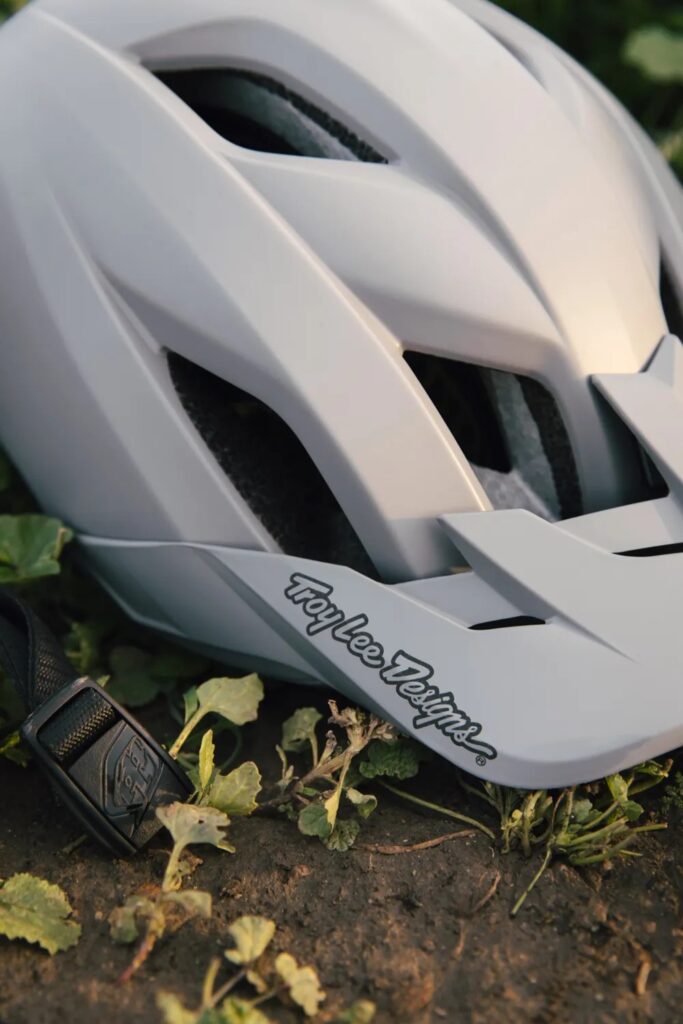
Troy Lee Designs Flowline SE Mips Mountain Bike Helmet
As helmet safety continues to evolve, MIPS represents a meaningful step forward in protecting riders from real-world impacts. By addressing rotational forces that traditional helmet designs were never intended to manage, MIPS helps reduce the risk of brain injury in the most realistic case scenario crashes.
It’s widespread adoption by leading brands, combined with strong performance in independent testing, such as Virginia Tech star ratings, shows that the technology delivers many measurable benefits, when it really matters most.


