
What is a single speed bike? Explore the pros, types, and key differences between fixies, single speed MTBs, gravel bikes, and one gear bicycles.
What is a Single Speed Bike?
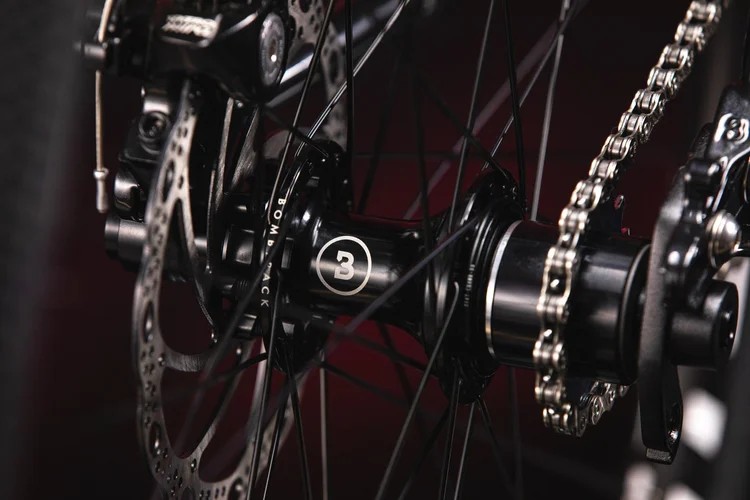
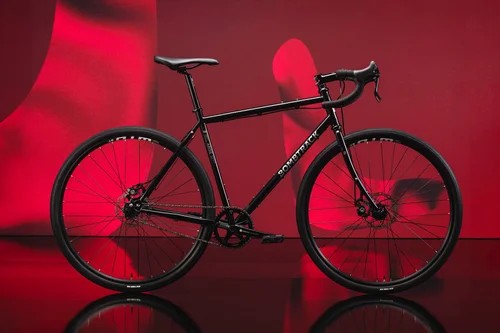
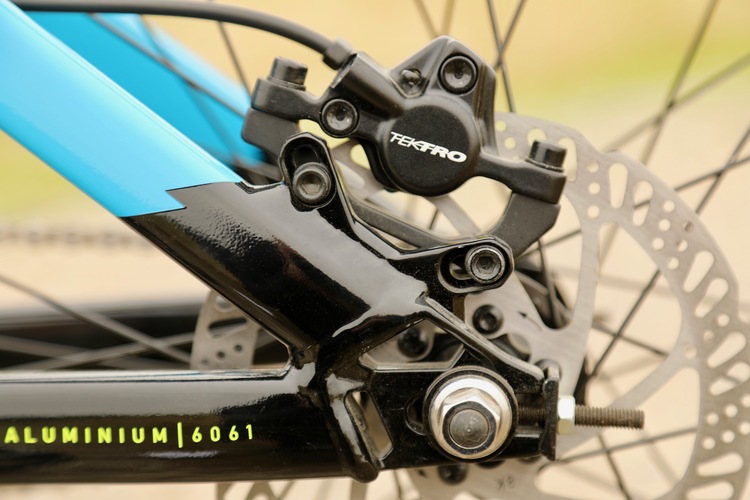
A single-speed bike does exactly what it says on the tin. One gear, one chainring at the front, one sprocket at the back, without any components “cluttering” things up. It’s lightweight, easy to maintain, and mechanically reliable, with a stripped-back, minimalistic setup that appeals to lots of riders. That’s exactly why you’ll see so many city cyclists or couriers sticking with a single speed.
But single speed doesn’t always mean just one thing. The term covers a range of setups, from ultra-minimalist commuters to fixed gear builds and even off-road bikes with just one cog. They all ditch the gears, but the way they ride can feel different depending on the build.
If you’re after something low maintenance, like the idea of clean aesthetics, or just want a bike that quietly gets on with the job, you might be looking at your next ride. But what type of one-gear bicycle would suit you best?
Single Speed vs Fixie
The difference between a single speed bike and a fixie bike isn’t always obvious at first, but it’s fundamental. A standard single speed bicycle uses a freewheel hub. You pedal when you want to, coast when you don’t.
A fixed gear bike, or fixed wheel cycle, has no freewheel mechanism, and your pedals turn whenever the rear wheel turns – forward or back. It’s a more connected ride where every movement matters. You have to stay alert and control the bike with your whole body, not just the brakes. Stop pedalling, and the bike stops with you.
So Which One is For You?
Once you understand the mechanics, it comes down to how you want to ride.
If you’re commuting through stop-start traffic or riding mixed terrain, a freewheel setup keeps things flexible. You can coast through corners, take a break on descents, and ease into one-gear riding with minimal adjustment.
If you want something more immersive, fixed might be your match. You’re engaged every second. You can’t switch off. But for some riders, that’s exactly the appeal – total control, smooth power transfer, and a feeling of being completely locked in.
Neither is better, just different. Your legs, and your routes, will probably tell you which one’s right.
Why Some Riders Choose Fixed
There’s something purposeful about riding fixed. When you push, the bike moves. When you slow your legs, the bike responds. It’s the kind of control you don’t get from a gear bicycle, and it changes how you approach the road. Riders talk about cadence awareness, line selection, precision. Whether you’re commuting or spinning laps, a fixed gear bike strips everything back to the rider and the cycle. That direct feel is why fixed gear bicycles are so popular among couriers, urban riders, and velodrome racers. It’s also why they’re not for everyone. But for some, that’s the whole reason to ride.
One Gear, Different Builds
Single-speed bikes aren’t limited to one style of riding. They show up in all kinds of builds, from stripped-down city bikes to gravel rigs and off-road cycles. What connects them is the mechanical simplicity, but how they feel under you can vary a lot.
City and Commuter Builds
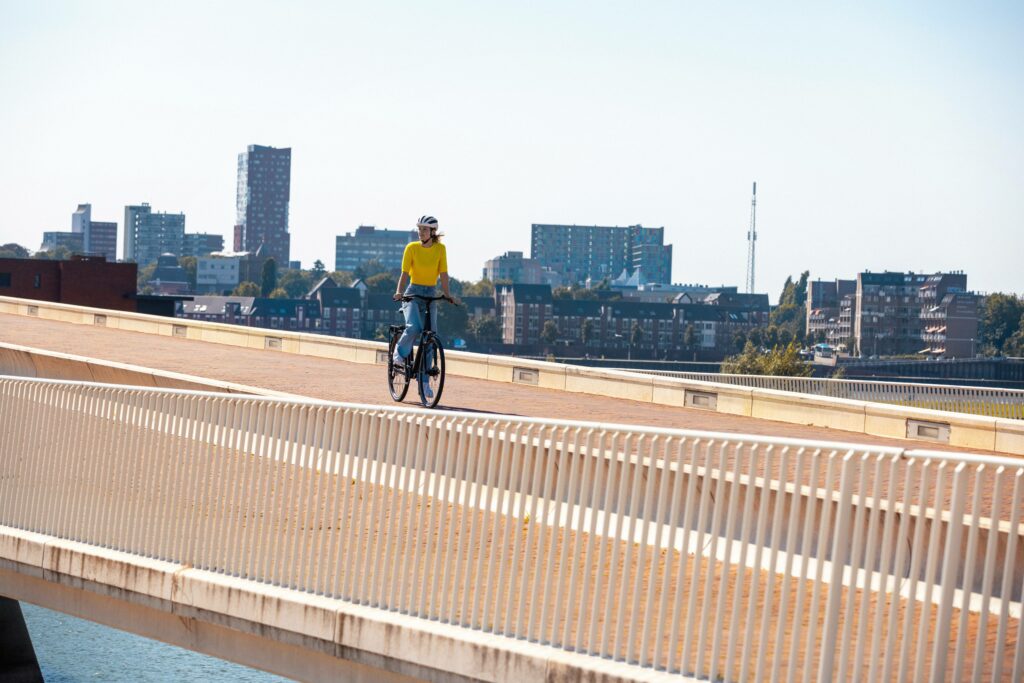
For everyday urban riding, single-speed and fixed gear bikes offer a clean, fast, and efficient solution. There’s nothing to adjust, little to maintain, and fewer components to worry about. That’s a big reason they’re popular with couriers and daily commuters, offering quick acceleration, low profile, and ready to roll at a moment’s notice.
Road-Focused Setups
Some riders go single-speed on the road for training or to keep things straightforward on flatter routes. The lack of gearing means no distractions, just a steady cadence, smooth power transfer, and a quiet drivetrain. It can be a refreshing change from high-maintenance race setups, especially when the goal is to build fitness or focus on form.
Off-Road
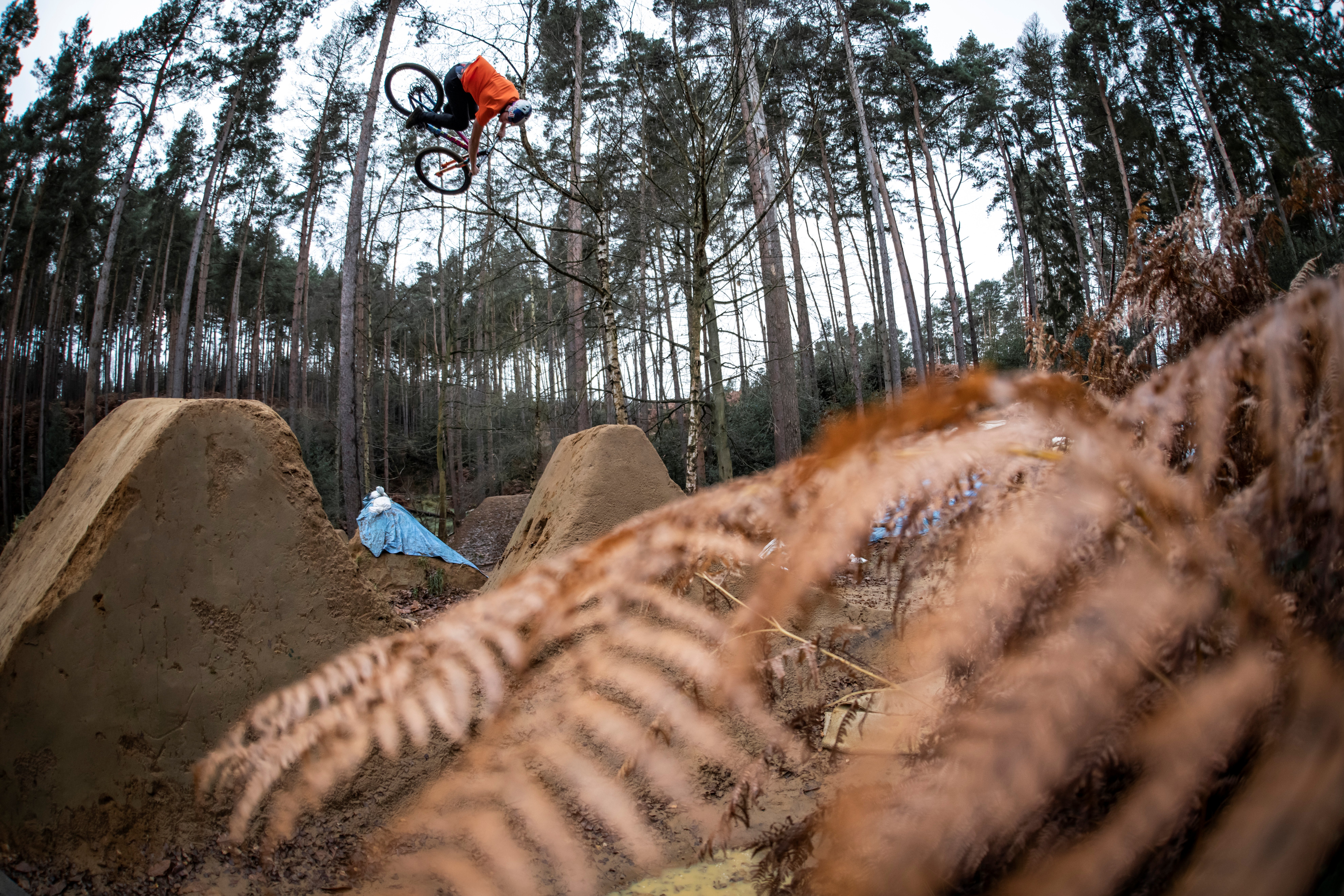
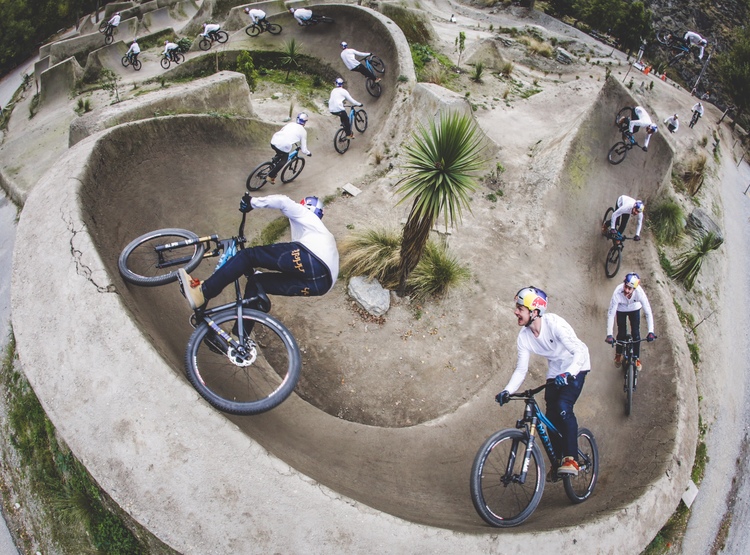
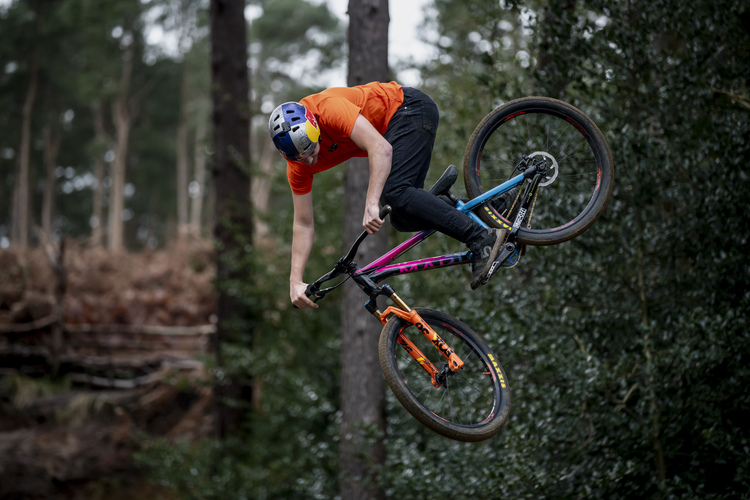
A single speed mountain bike isn’t for the faint-hearted. Climbing without lower gears takes effort, but rewards you with a silent, uncluttered ride. It’s a niche choice, but for those who enjoy technical trails and don’t mind working harder, it offers a more grounded connection to the ride.
Gravel
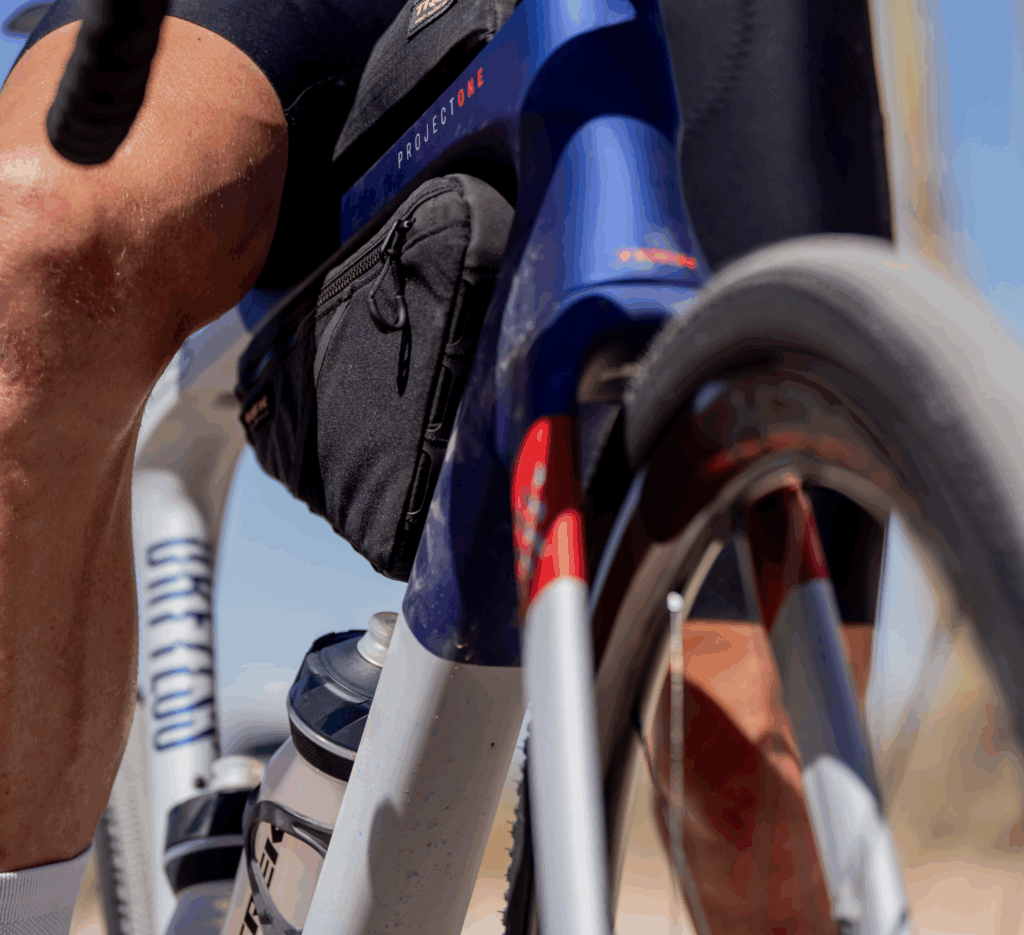
On rolling terrain, a single speed gravel bike can hold its own surprisingly well. There’s no derailleur to snag, no shifting to think about, just momentum and muscle. You lose a bit on steep climbs, maybe, but you gain a rhythm that’s hard to find with constant gear changes.
Why Ditch the Gears?
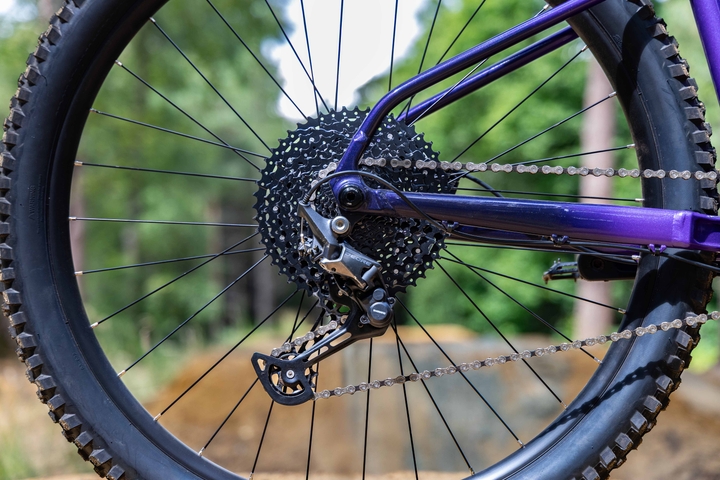
Ditching gears means making trade-offs. You lose the ability to spin up climbs or cruise at high speed on descents. But what you gain is consistency, simplicity, and a more direct relationship with the bike.
There’s no second-guessing your setup. No sudden mis-shifts. No noisy drivetrain. Just one gear, and the legs you bring to it.
For some, that’s liberating. Others might say it’s limiting. In the end, it’s about understanding how and where you ride, and whether the benefits of a pared-back bike outweigh the occasional hard climb or spun-out descent.
Explore our bike range!


