
From disc to rim brakes, explore our expert guide to buying bike brakes. Learn what to look for, how to choose the right type, and get quick maintenance tips for all brake types.
Our Guide to Buying: Brakes
Your brakes determine whether you stay in control. Stopping fast or stopping smooth, but most importantly, stopping when you need to, without locking up or skidding out. That’s what a good braking system does. But not all brakes feel the same. For example, some are great in dry conditions, others thrive in the mud. So, if you pick the wrong ones, you’ll know about it.
Mostly, choosing the right brakes for you depends on your bike, your riding style, and how much maintenance you’re willing to put up with.
But if you’re still wondering, “What brakes do I need?”, comparing V brakes vs calliper brakes or considering whether to switch to discs, you’ve come to the right place, and here’s everything you need to know.
What Brakes do I need?
Different bikes use different braking systems. Road, mountain, touring, each has setups designed for the demands of the terrain.
Calliper brakes vs Cantilever
For road cyclists, calliper brakes are the classic choice. They’re lightweight, aerodynamic, and clamp directly onto the wheel’s rim. Simple and effective, but only in dry conditions. If you are cycling in the rain, calliper brakes become less effective, losing bite, and stopping distances increase.
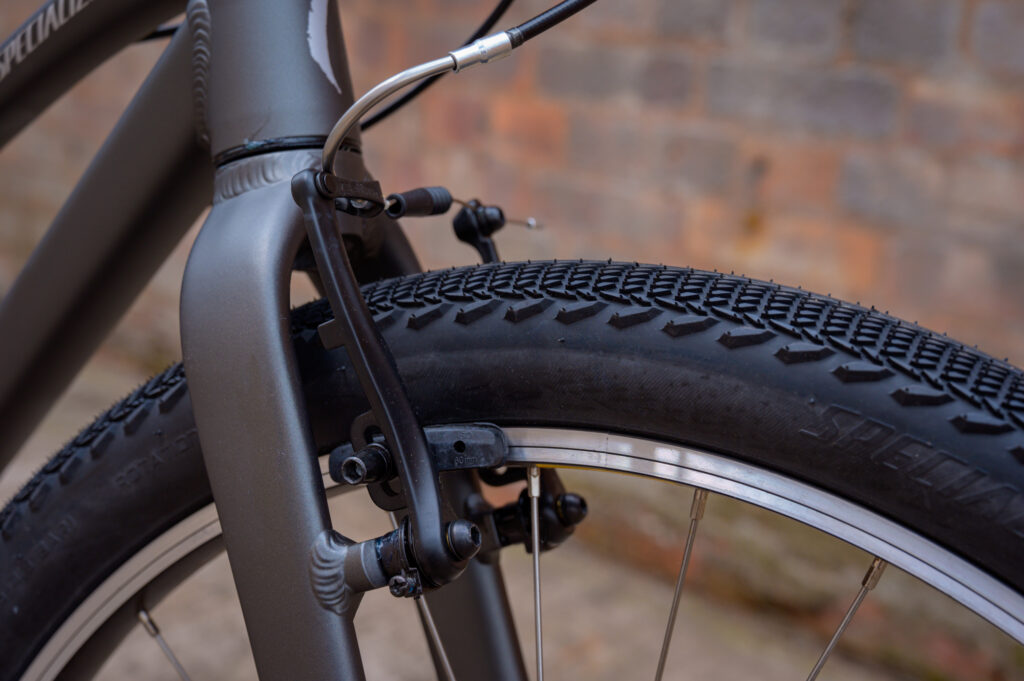
Cantilever brakes offer more clearance for wide tyres and mud, making them a good choice for mixed terrain. That is exactly the reason they have been used on touring and cyclocross bikes for years. The only thing is, they can be tricky to set up.
So, calliper brakes vs cantilever, which is better? If you’re mostly riding tarmac, callipers are more efficient. If you need mud clearance and a little extra braking force, cantilevers make more sense.
V brakes vs Calliper brakes
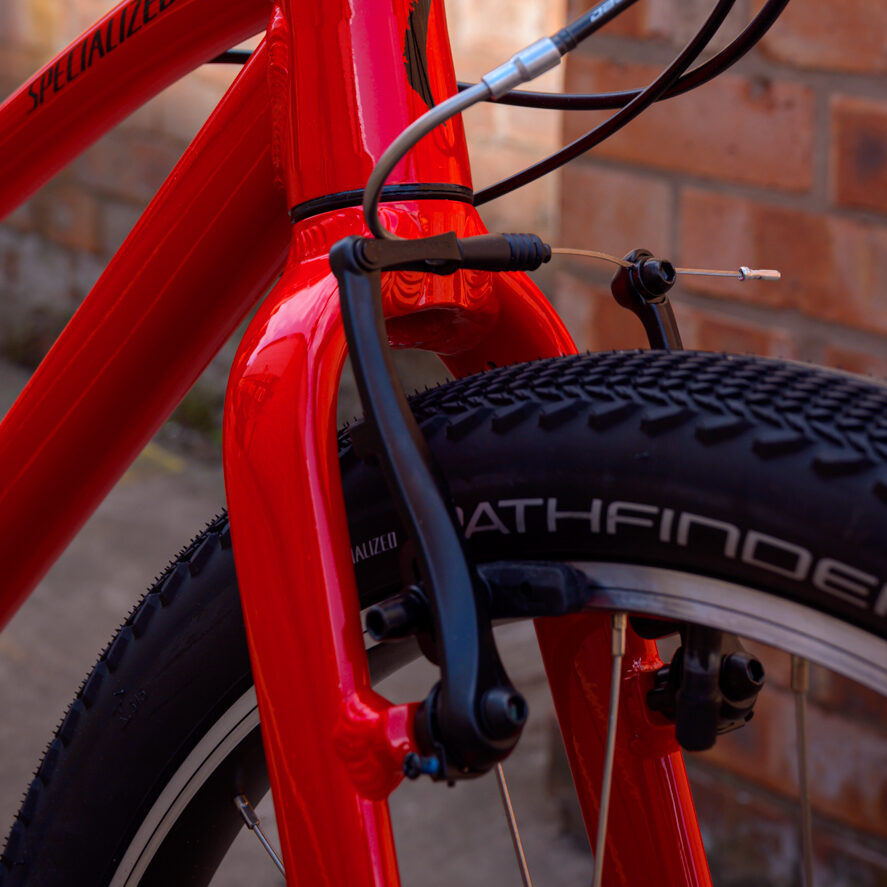
What are V-brakes? V-brakes are another rim-braking system, mainly found on older mountain bikes and hybrids. They provide more stopping power than callipers, which is great for heavier bikes or off-road conditions. But they need strong hand pressure, especially on long descents.
So, if you ride smooth tarmac, callipers are a better choice, as they are neater and more aerodynamic. If you need stopping power for mixed terrain, V-brakes offer a stronger bite.
V brakes vs Disc brakes
A V-brake is a rim brake that clamps onto the wheel’s edge to slow you down. But, as with all rim brakes, they lose grip when the weather conditions turn bad.
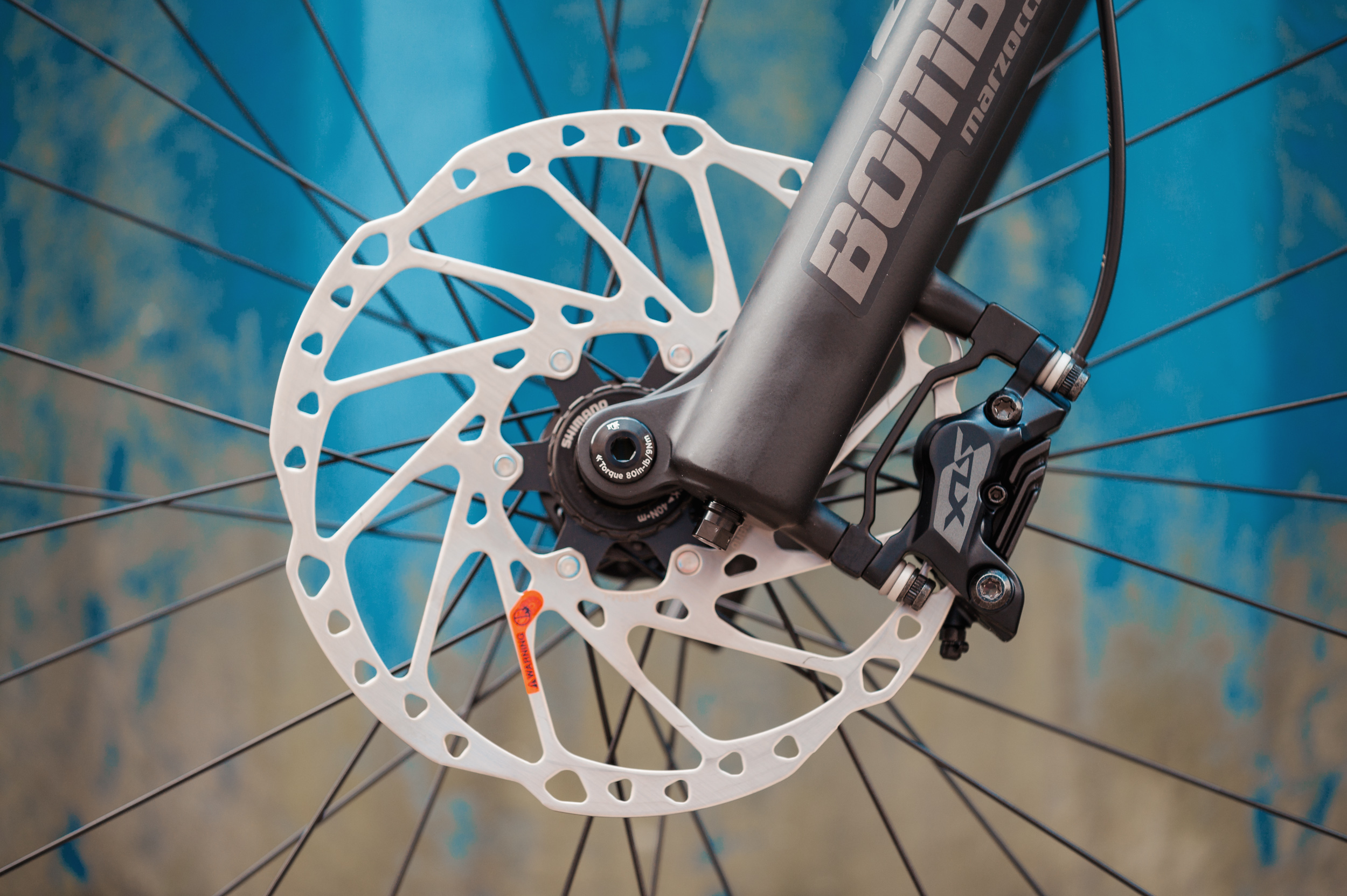
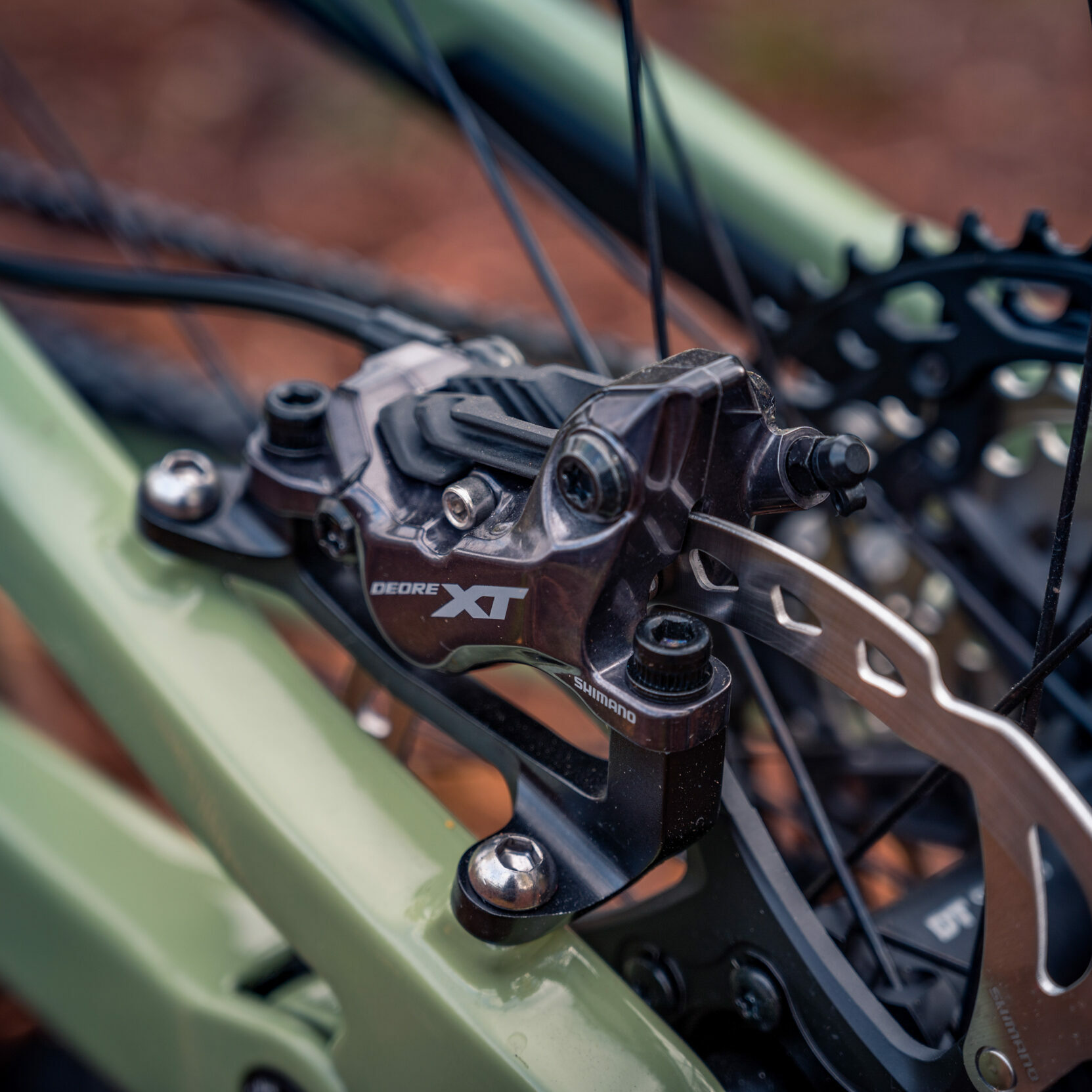
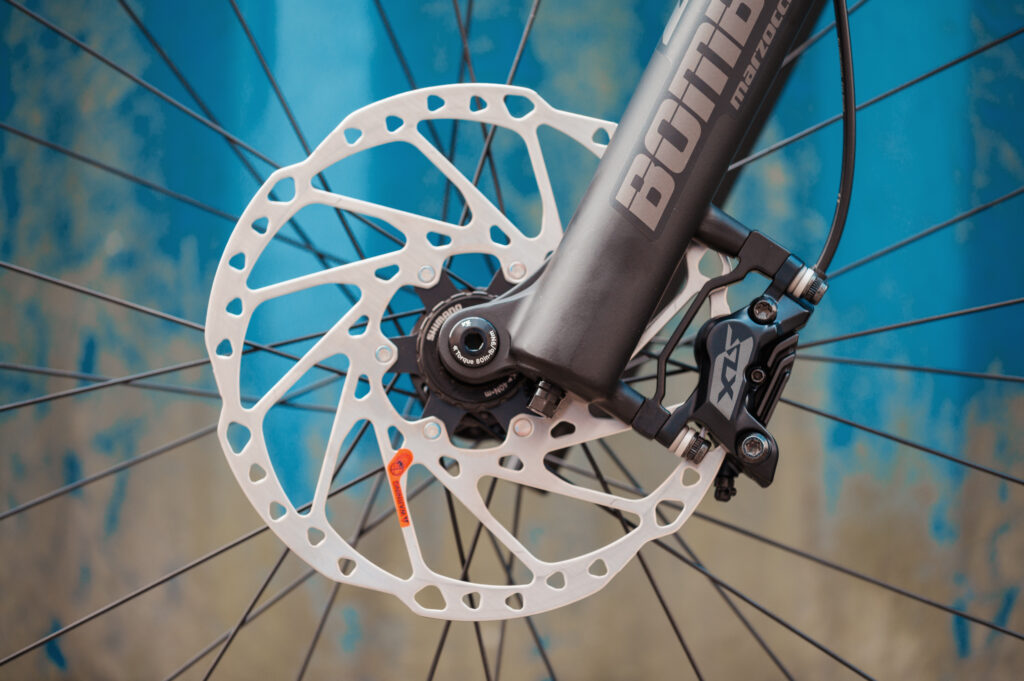
Disc brakes clamp onto a separate metal rotor, rather than the wheel rim. That means stronger, more consistent stopping power, no matter the conditions. That’s why mountain bikers and gravel riders swear by them.
Of course, disc brakes have their drawbacks. They’re more expensive, add weight, and require regular maintenance. But if you ride steep descents, unpredictable terrain, or wet conditions, they’re worth it.
Brake Compatibility: Can You Mix Systems?
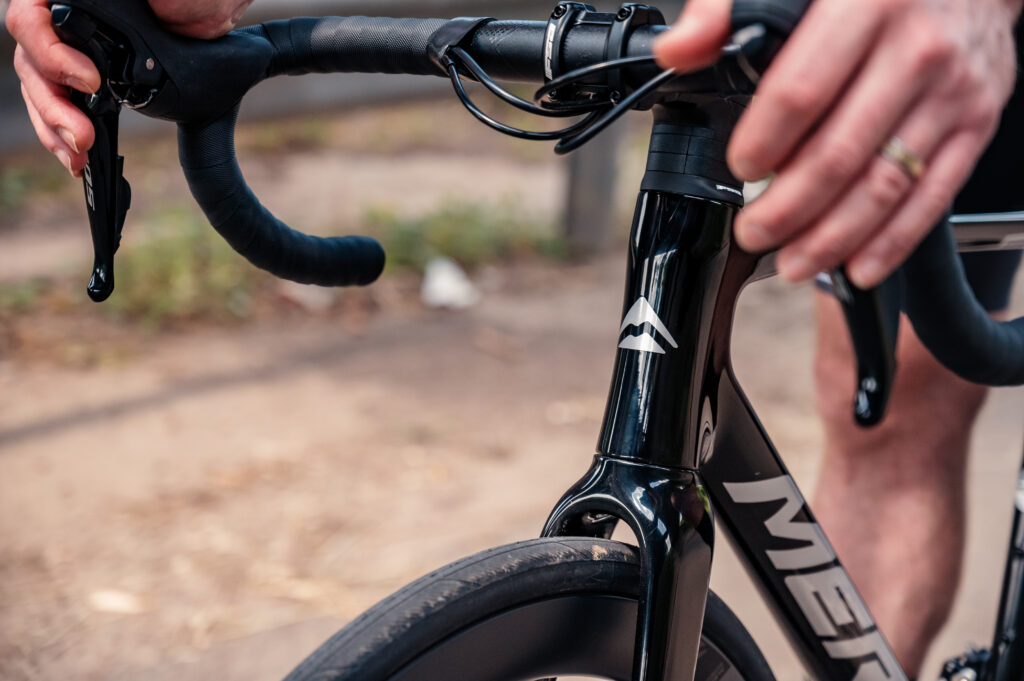
What about swapping between systems? There are several common questions here. First, can you use road calliper on cantilever? The answer is no. The mounting points aren’t the same.
Second, can you use road calliper on V brake? Again, no. Different cable pull ratios. If you mix them, you’ll end up with weak or useless brakes. When upgrading, always check for compatibility – levers, callipers, and mounts all need to match.
How to Select the Correct Rotors for Your Bike
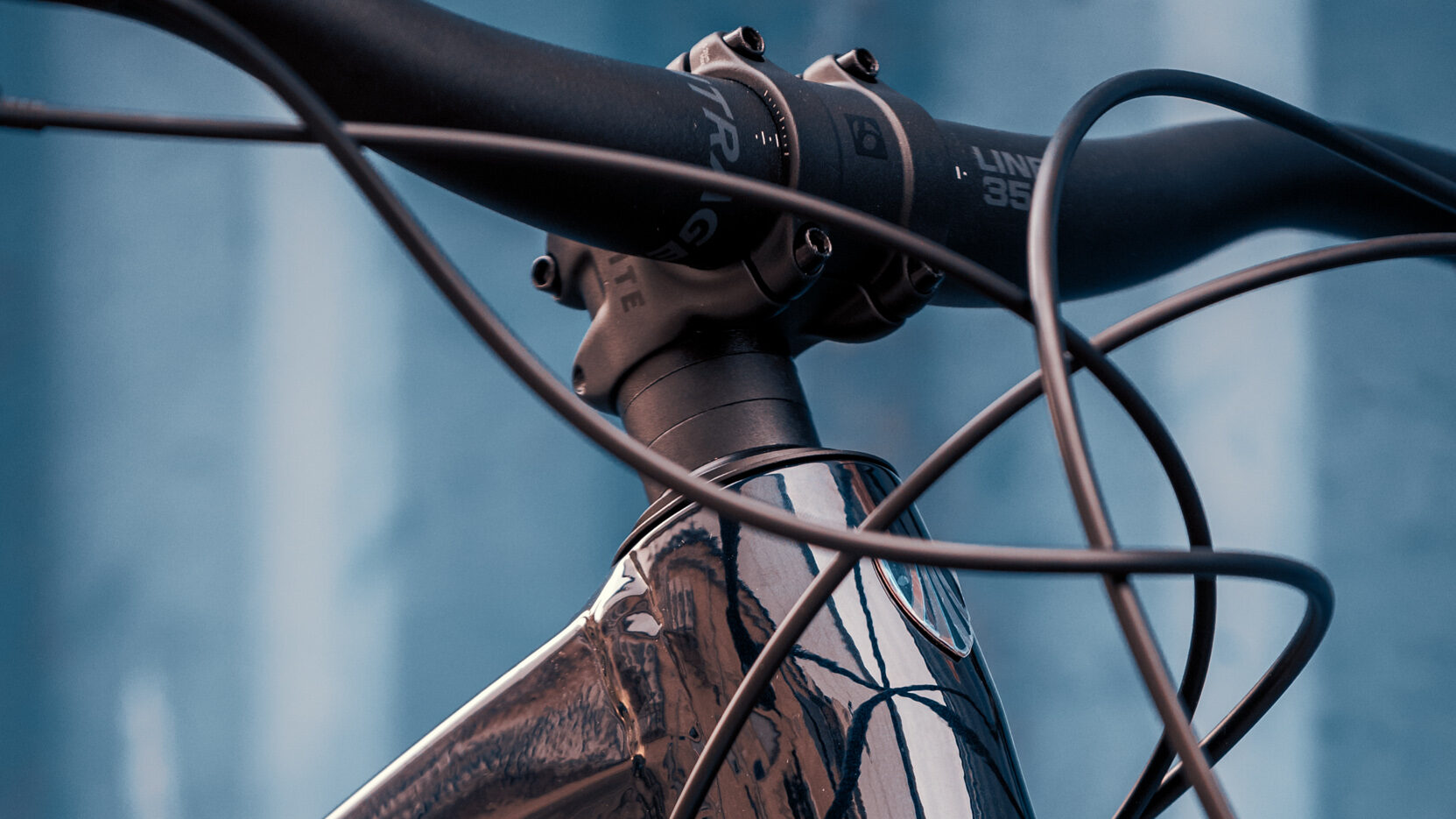
If you’re running disc brakes, rotor size matters. Bigger rotors give you more stopping power, but they also add weight and stress on the frame.
So, how to select the correct rotors for your bike? First, check what your frame and fork allow. Most road bikes use 140mm or 160mm rotors, while mountain bikes need 180mm or even 203mm for serious braking force. If you go too big, you’ll need adapters, and not every frame can handle them.
Brake Maintenance: Quick Tips For All Brake Types
Brakes don’t last forever – pads wear down, cables stretch, and if you ignore them long enough, you’ll notice, probably at the worst possible moment. A little maintenance goes a long way in keeping your braking sharp and predictable.
Rim Brakes (Callipers, V-Brakes, Cantilevers)
Check your pads regularly
If they’re looking thin or the grooves have disappeared, swap them out before you lose stopping power.
Clean the rims
Dirt and brake dust build up over time, making braking weaker and noisier. A quick wipe with alcohol keeps things working properly.
Keep an eye on the cable tension
If your levers feel too soft or pull all the way to the bars, tighten things up before they get worse.
Disc Brakes
Check your pads!
They wear out faster then rim brake pads, especially in wet and gritty conditions. If they’re looking thin or glazed, replace them.
Keep your rotors clean
A bit of oil or grime on the surface can kill your stopping power. A wipe with disc brake cleaner or alcohol keeps them gripping properly.
Bleed hydraulic brakes when needed
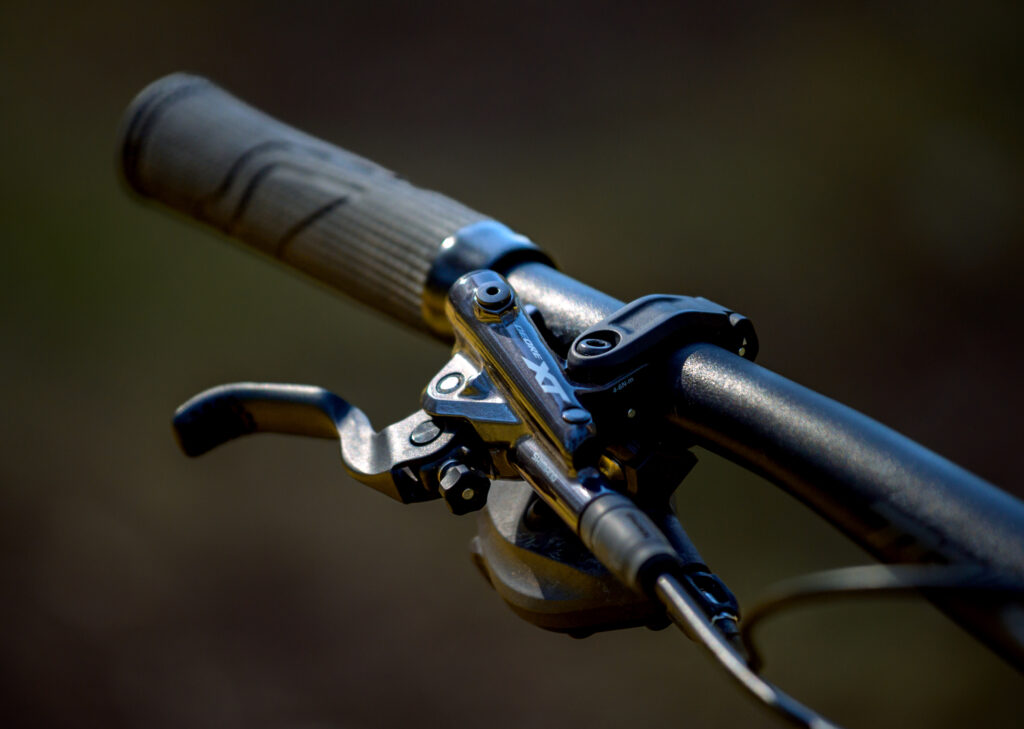
If they feel spongy or inconsistent, air has probably made its way into the system. Most setups need a bleed at least once a year.
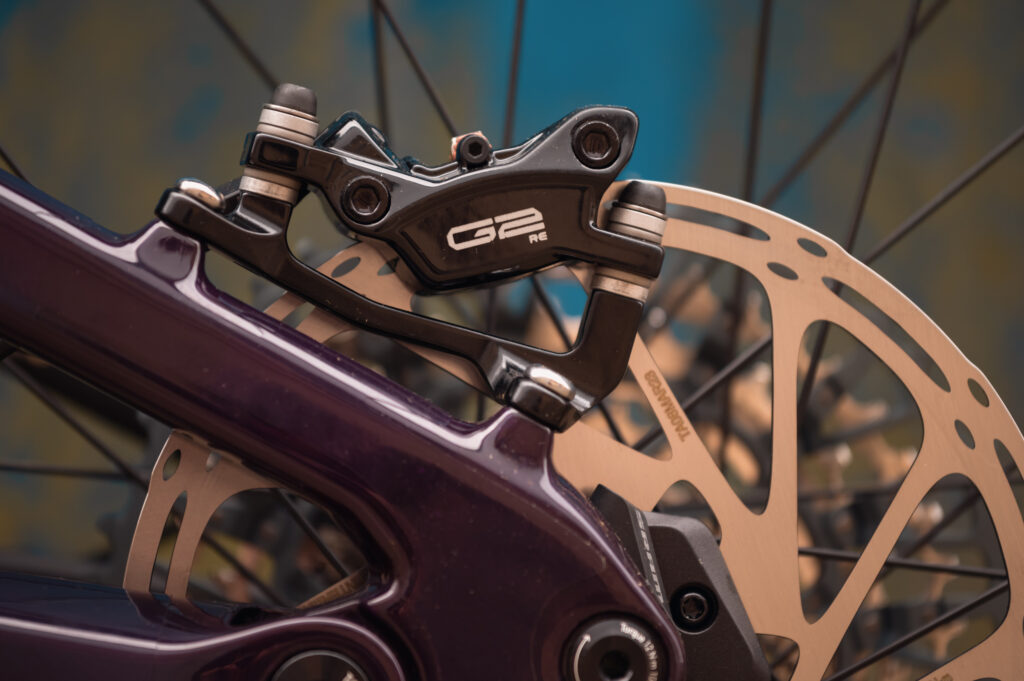
Bike Brakes


