
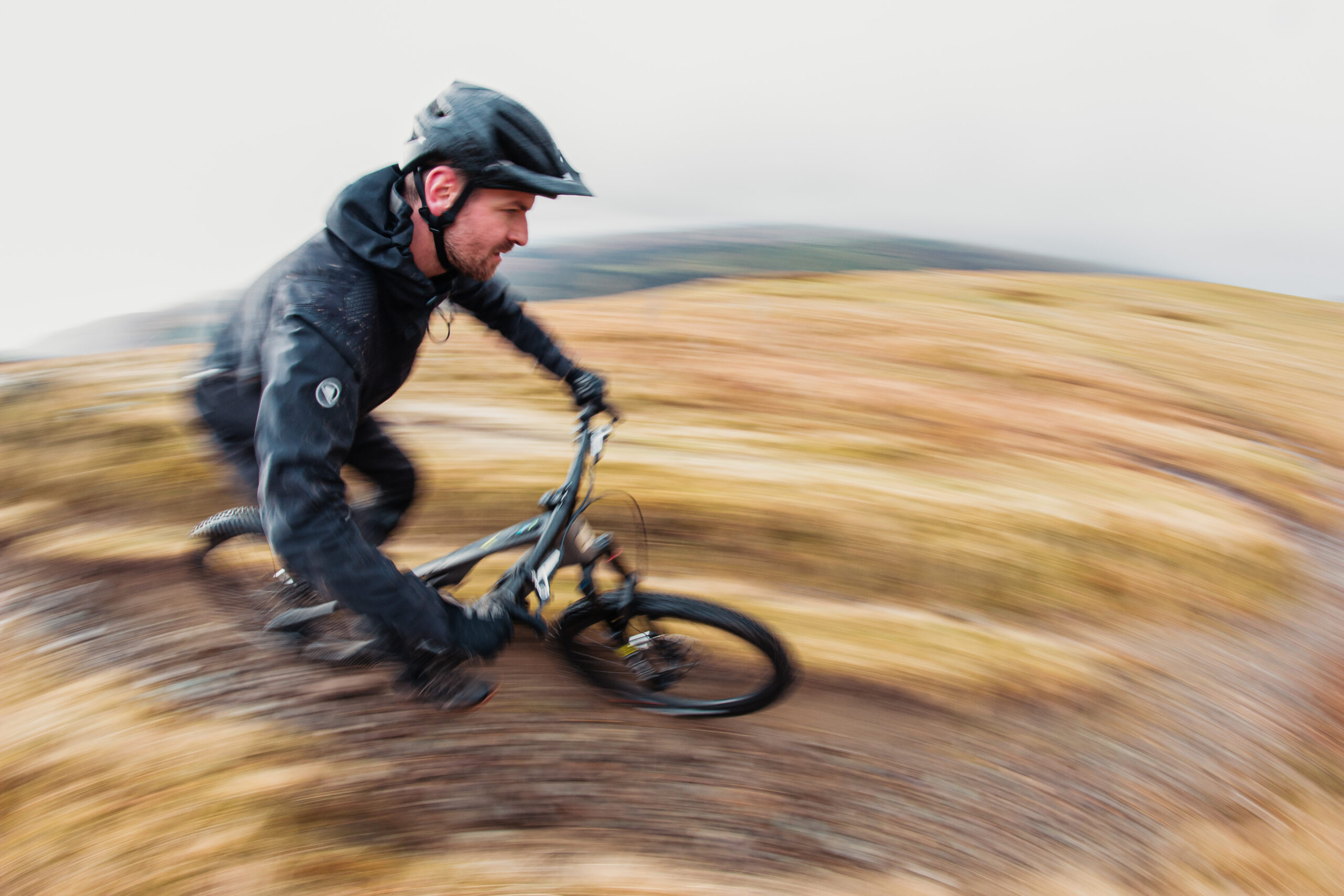
Downhill Certification commonly refers to a full-face helmet that has been tested and approved for high-speed and high-impact downhill mountain biking. It tells riders whether the helmets are built to withstand harder crashes than the standard trail.
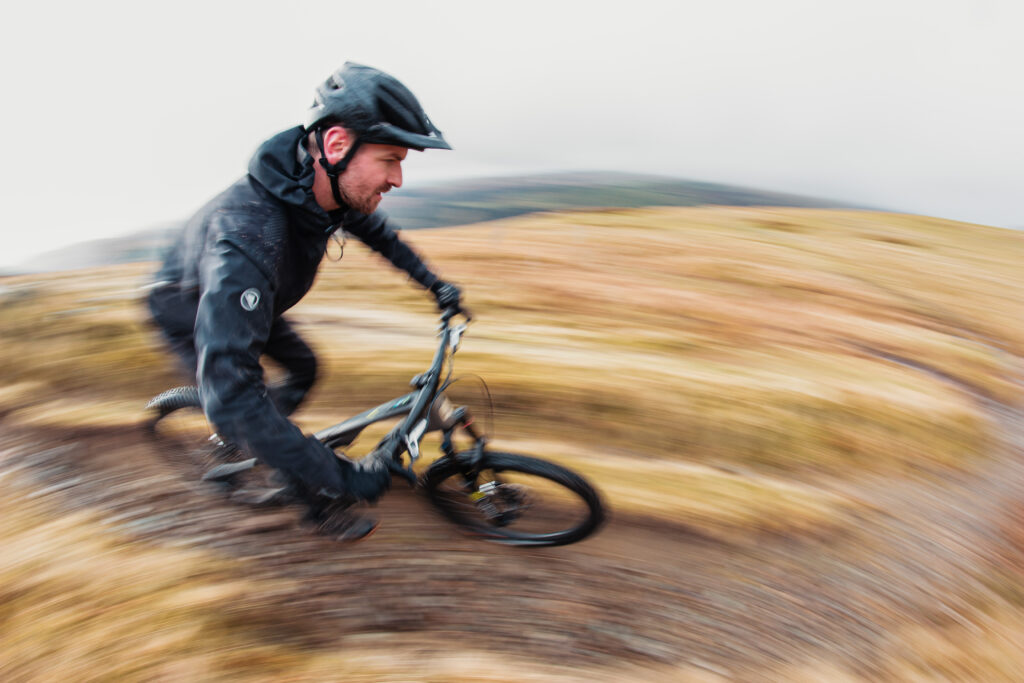
Many bike parts require downhill certification because the riders go faster, jumps and drops are larger and the risk of face and jaw impacts is higher. This is why they often require a full-face helmet with a ASTMF1952 certification.
Safety standards
CPSC– Mandatory minimum bicycle standard in the US. Covers single-impact crashes at a moderate speed. Good for trail-riding.
EN 1078– European bicycle helmet standard. It has a similar protection level to CPSC, used for road, commuting, XC and trail riding.
ASTM F1447– It’s a higher-performance bicycle helmet standard . It covers more impact locations than CPSC and is used for trail and enduro.
ASTMF1952 Downhill– The big one for downhill. It tests higher impact speeds and multiple impact zones. It’s used for downhill racing and bike parks.
ASTM F2032 BMX– This is the BMX race standard. It has a similar protection to F1952, often found on full-face helmets, commonly accepted at bike parks.
What makes it different?
What makes it different from regular MTB certifications is that Downhill-certified helmets must pass stricter impact tests. These include, higher impact speeds, multiple impact locations and chin-bar strength tests (important for full-face helmets).
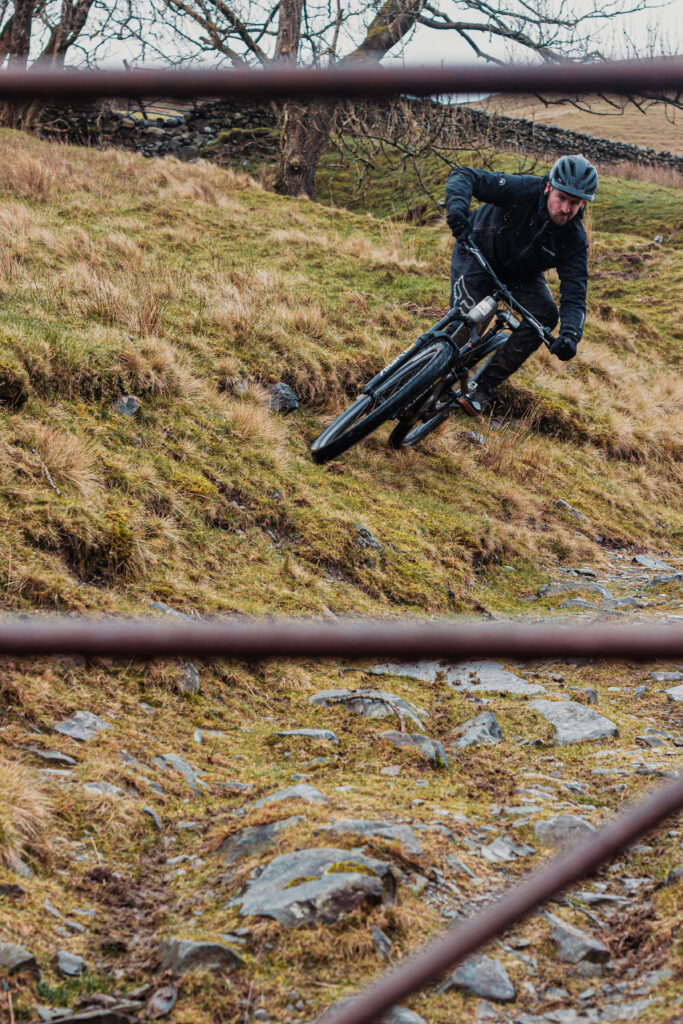
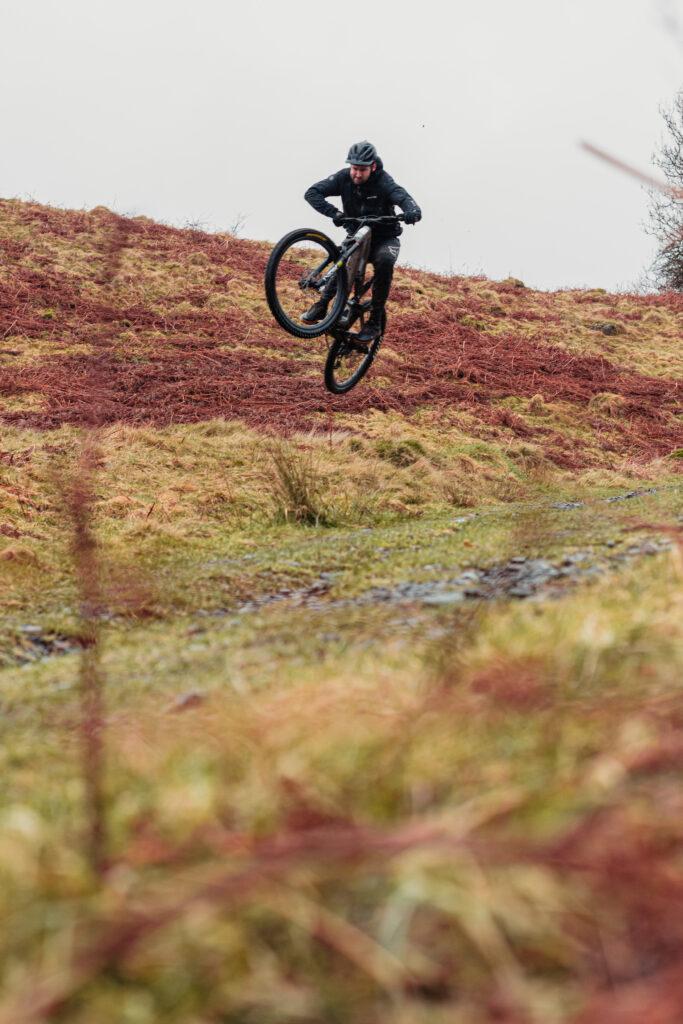
A regular MTB helmet may be fine and safe for trail riding, but is not designed for repeated or very harsh impacts. When a manufacturer claims a helmet is downhill certified it must meet all the requirements of the ASTM F1952 specification, not just a few features.
Full-face helmets
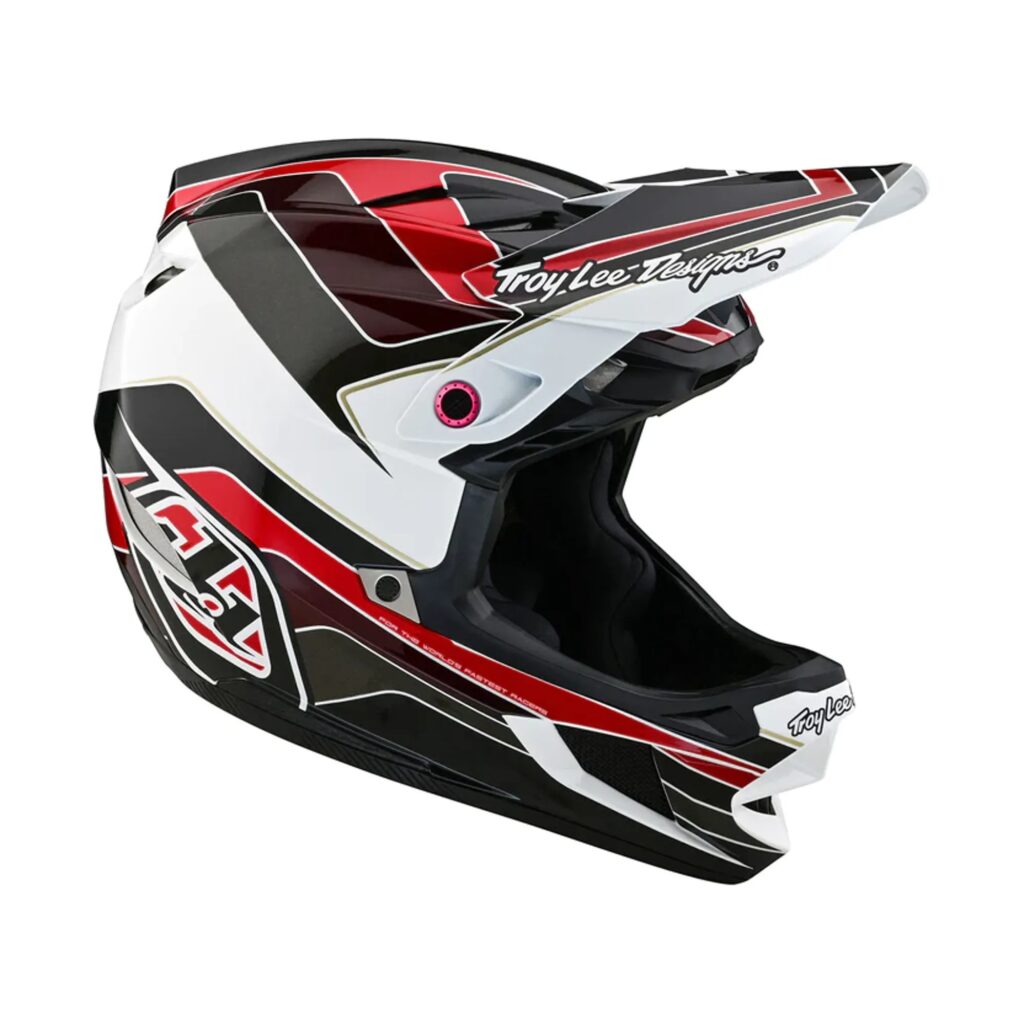
A full-face mountain bike helmet covers your whole head and chin, giving you much better overall protection if you crash at high speed. Most full-face helmets meet basic safety standards such as EN 1078 and CPSC, but the ones you need to look for are those that have a ASTM F1952 downhill certification.
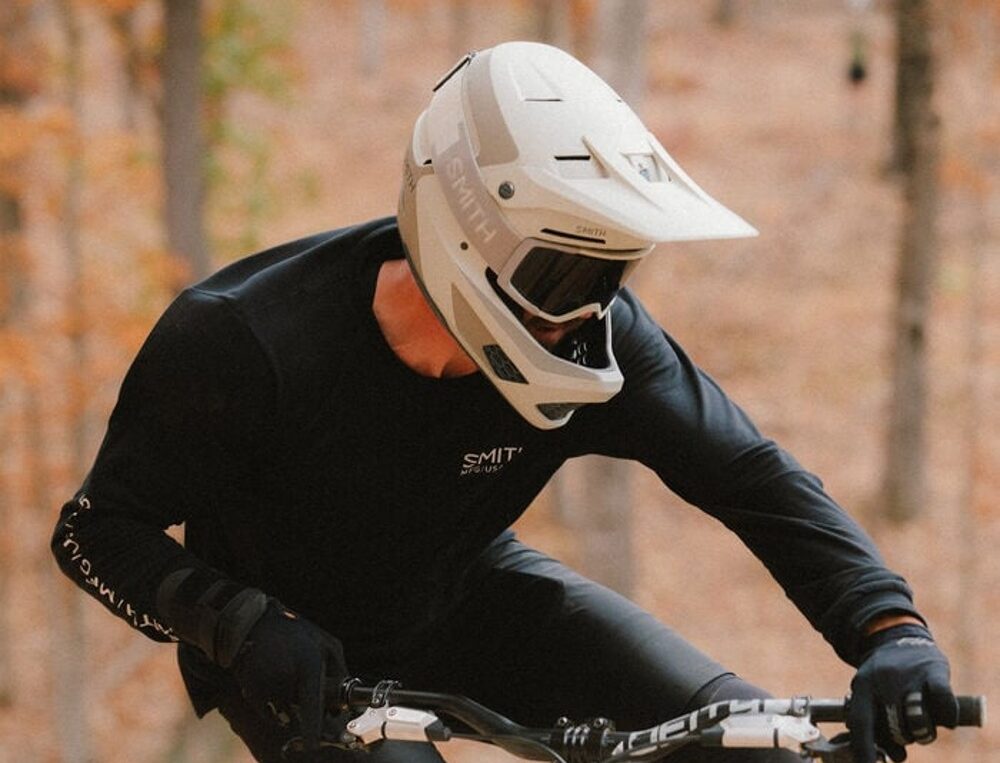
However not all full-face helmets are downhill certified, make sure the specific model your buying actually lists it’s certification on its label or product page.
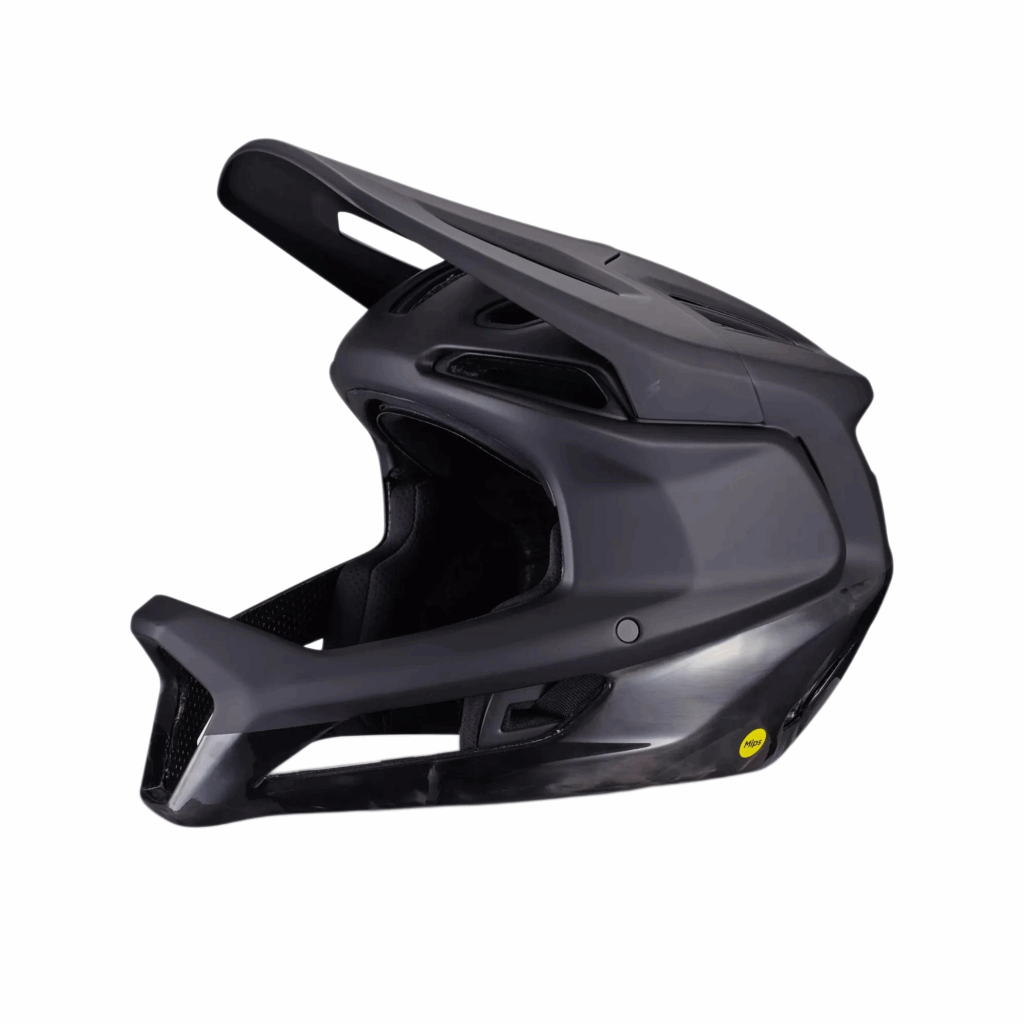
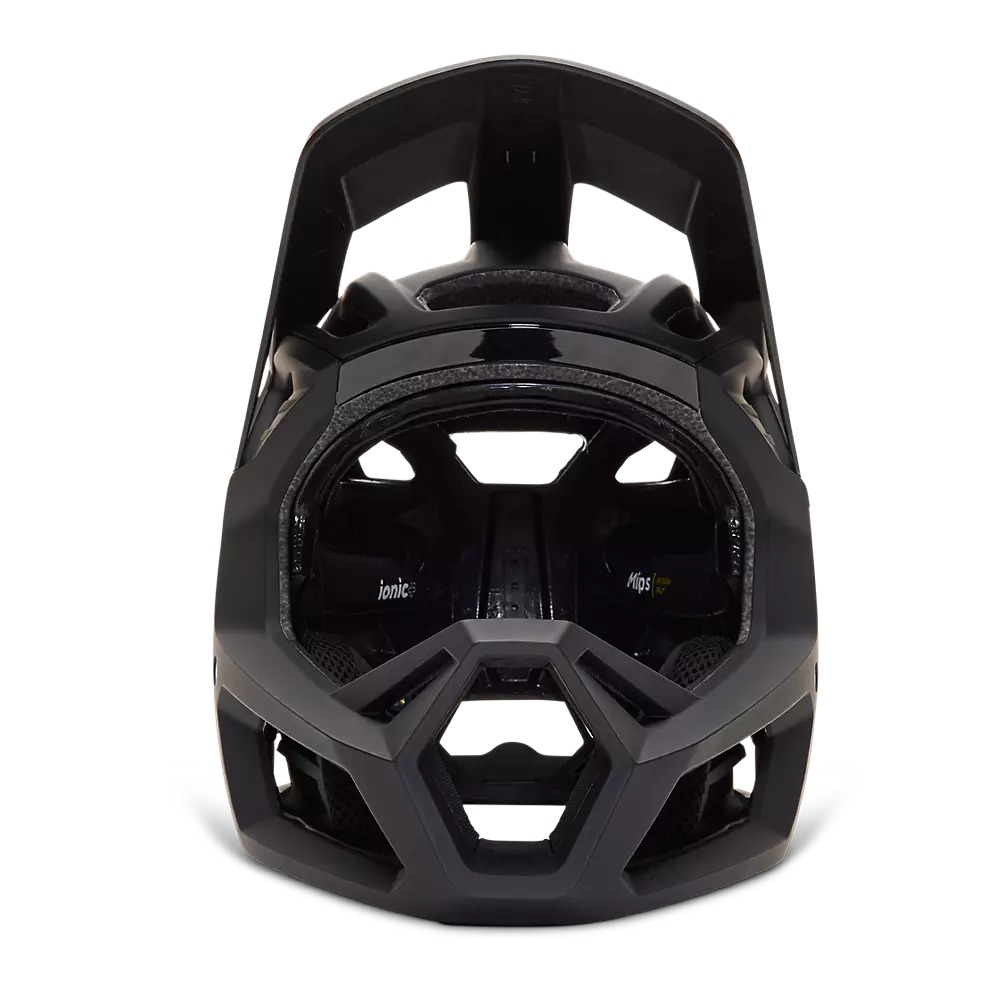
After researching into different tested results, these are the rated findings of downhill full-face helmets.
Biking requirements
Whilst specific regulations vary for different parks, many downhill parks highly recommend/require the use of helmets that meet the ASTM F1952 downhill standard. Local bike parks and trail centres in the UK and Europe, often require riders’ helmets to meet safety standards. BikePark Wales requires a helmet that meets at least the EN1078 European helmet standard.
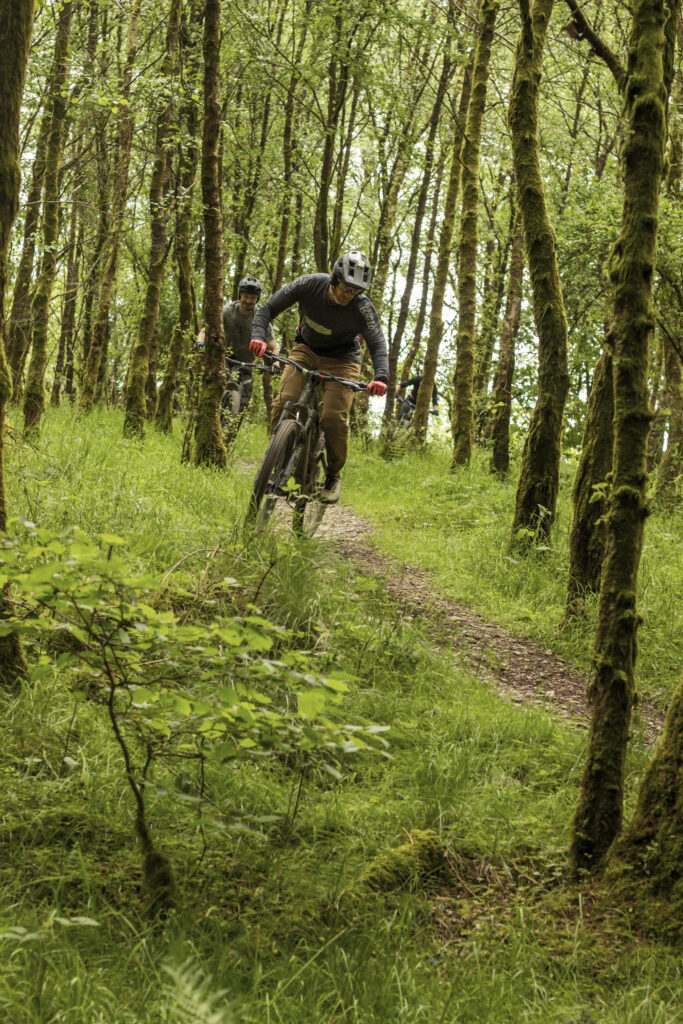
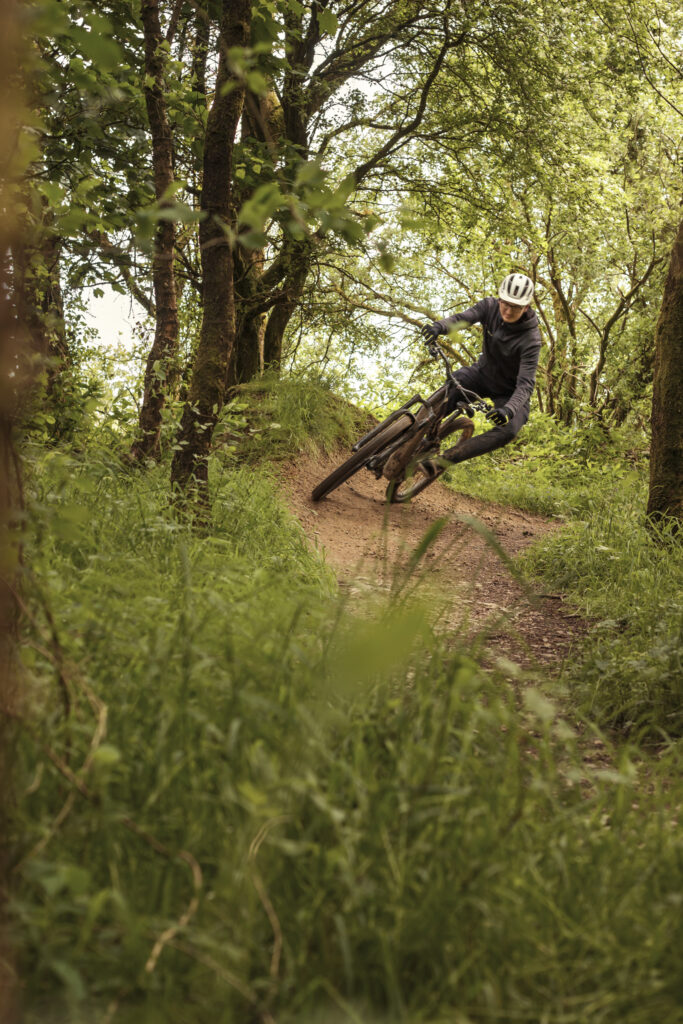
They mandate helmet compliance and may check that your helmet meets the EN1078 standard. Full-face helmets and higher standards such as ASTM F1952 are recommended for more serious downhill/ Rider protection. If you compete in races or competitions, specific helmet standards are very important. National MTB races often require helmets that meet specific certified standards (ASTM F1952). Racing bodies may inspect helmet safety, and won’t allow non-certified helmets in competitive events.
Make sure to check your helmet meets safety requirements, or if your on the look out for purchasing one, check before you buy that it meets all the standards you need for your riding or racing.


