
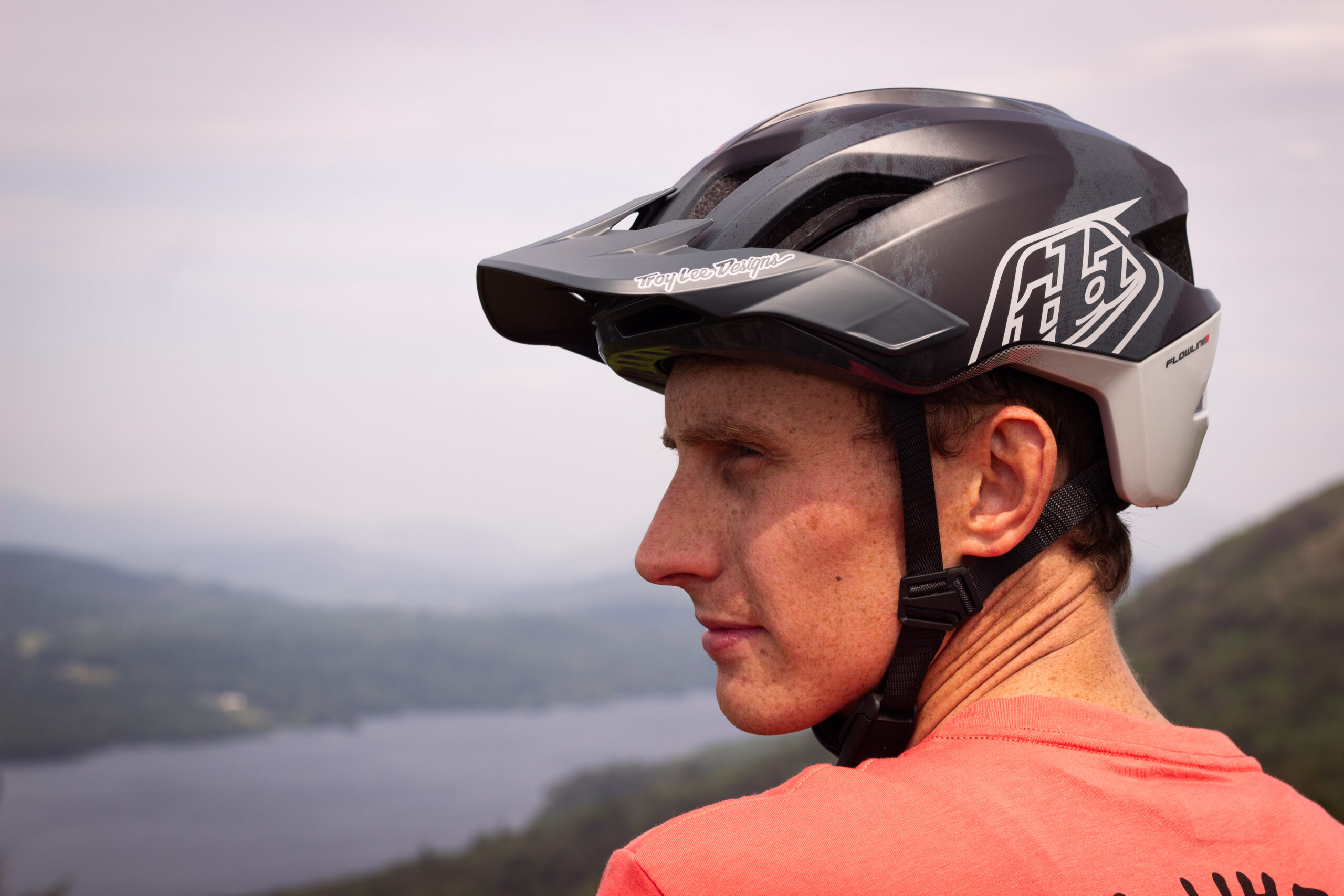
Knowing what to look for in a helmet is essential, because the right choice can dramatically increase your safety on the trail. Instead of focussing all your attention on the price, style or weight of a helmet, looking deeper into the technology could be the difference of keeping your head protected if it all goes wrong. Helmet technology has come a long way, and today’s designs are packed with innovations that do far more than just cushion a fall.
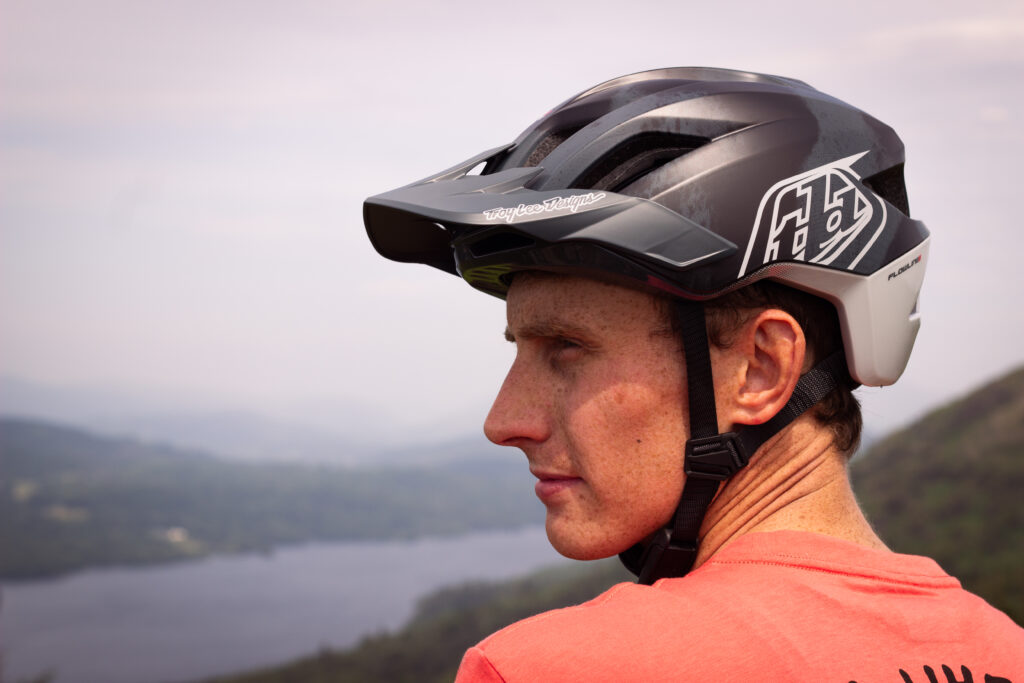
From advanced impact management systems like MIPS , ranking systems and overall fit, modern day helmets are designed to keep you protected. But with so many features out there, understanding what actually makes a helmet safe can be overwhelming. This blog breaks down the tech and the key details every rider should know , so you can choose a helmet that truly has your back when it matters most!
How are they tested?
When testing for a helmet’s durability and protection, there are different methods to make sure every aspect is safe. Let’s break these down.
| Drop Tests | Helmets are mounted on a head form and dropped from a set height onto a hard surface. The sensors in side the head form measure how much force gets transferred to the head. |
| Rotational Impact Tests | Real crashes often involve twisting, not just straight hits. To simulate this, the helmet is dropped onto an angled or abrasive surface that cause the head form to rotate. This is where technologies like MIPS are designed to help. |
| Multiple Impact tests | Some labs test the same helmet more than once to replicate repeated hits that might occur during a crash. This tests whether the helmet still performs after the first initial impact. |
| Coverage And Fit Standards | Testers check whether the helmet covers enough of the head , especially around the temples and the back of the skull. The goal is to ensure the helmet covers the critical areas of the headframe. |
MIPS Technology
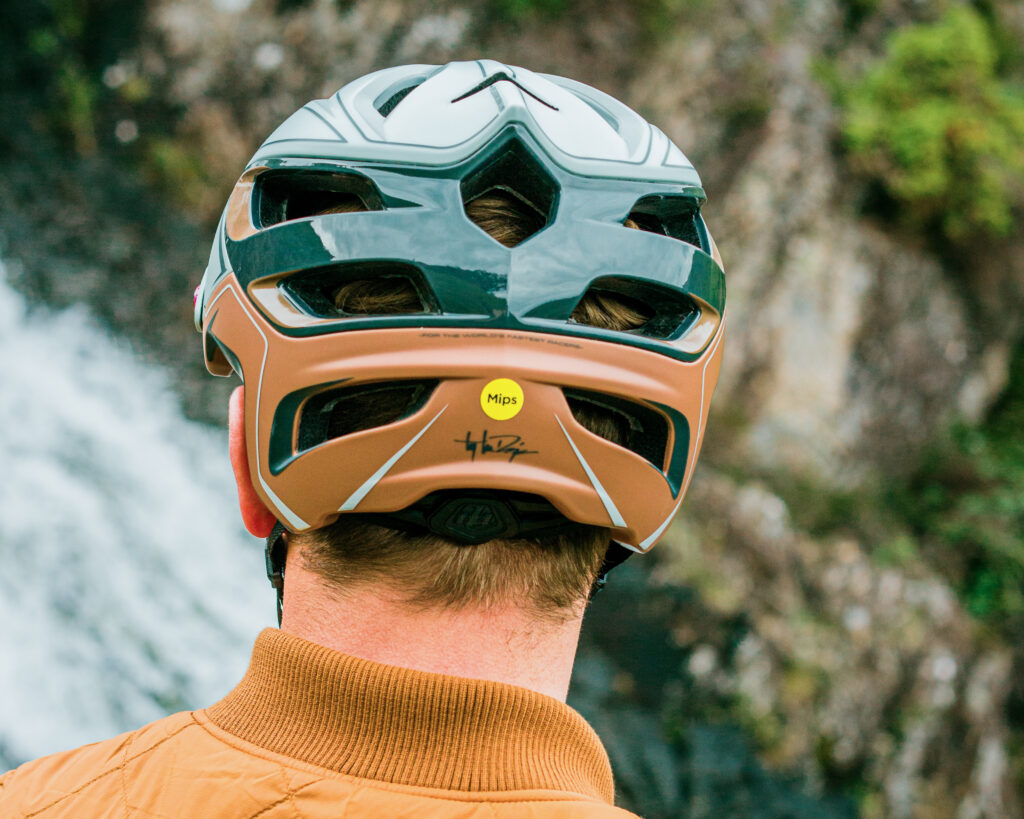
MIPS technology is a key feature to look out for in a helmet. It’s designed to work alongside the brains own protective system which allows the brain to move slightly within the head during an impact. It works by adding a low-friction layer within the helmet, and this is known as the Mips layer. This layer sits between the energy-absorbing layers in the helmet and this is how the head can move slightly, which reduces the risk of injuries. Some major brands that use MIPS technology are GIRO, Bell, Specialized and FOX Racing.
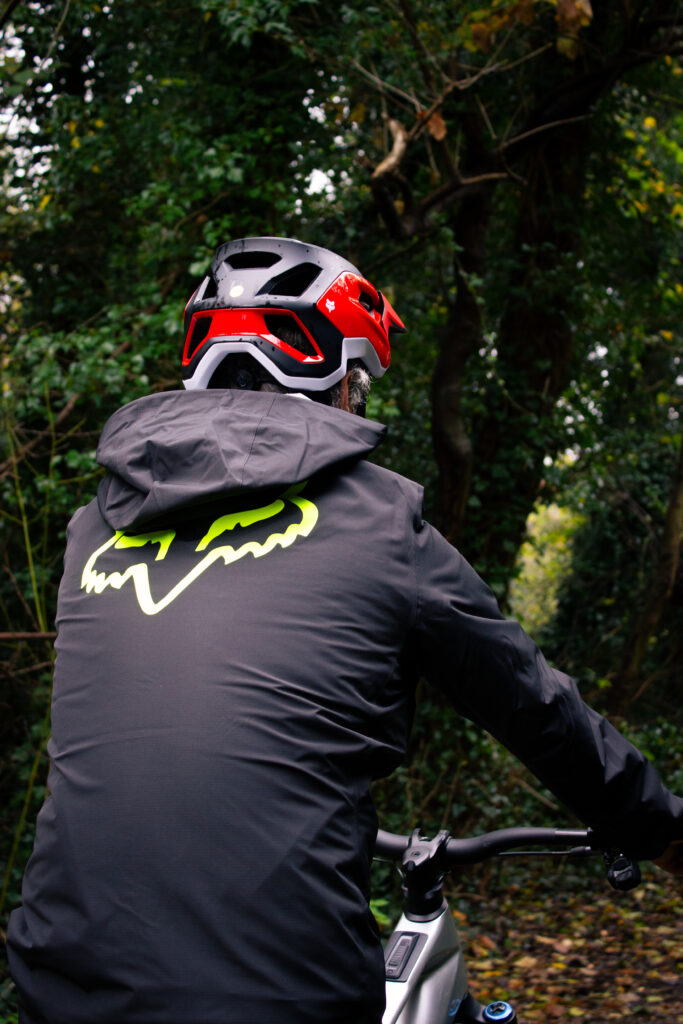
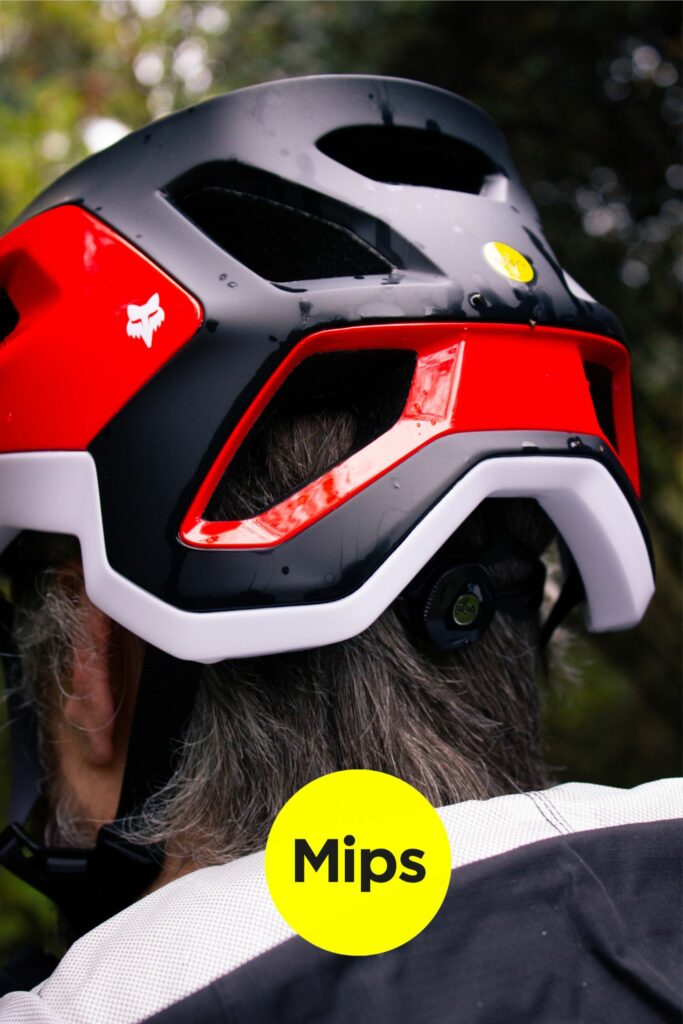
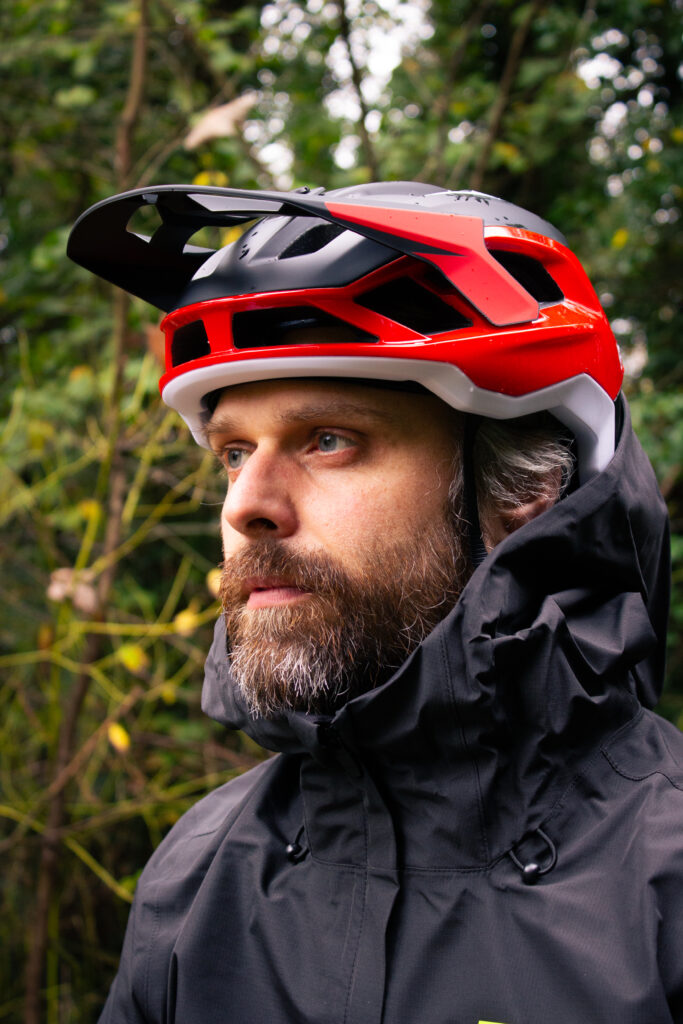
Fox Speedframe ProDefy MIPS MTB Helmet Fluorescent Red
Ranking Systems
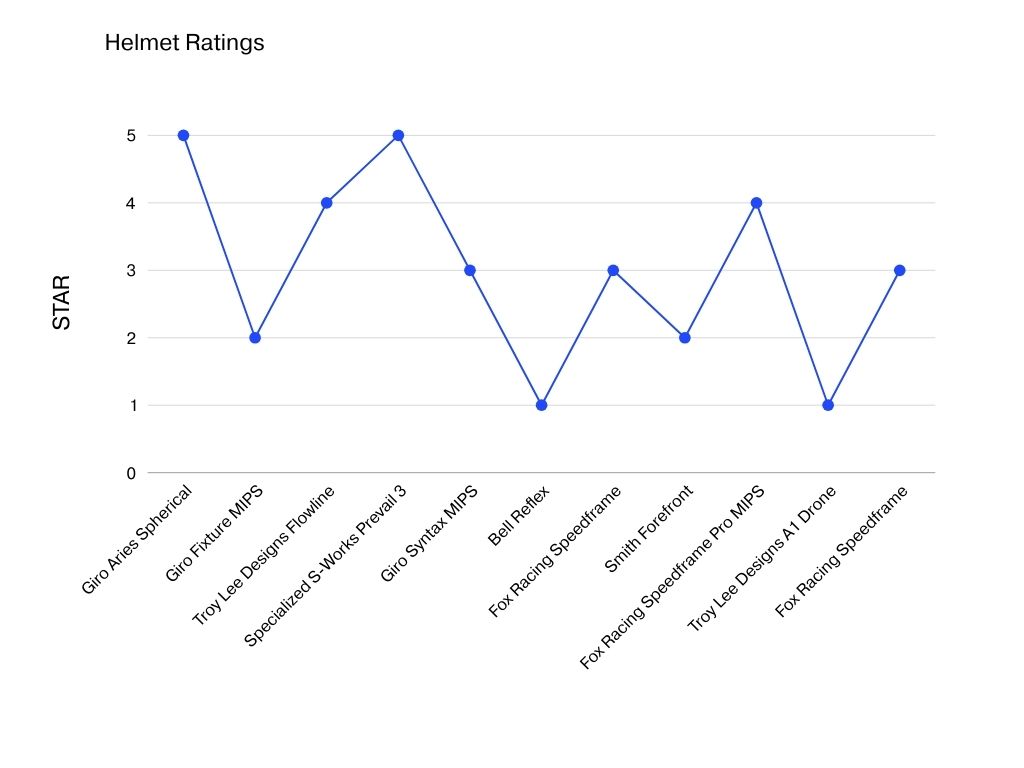
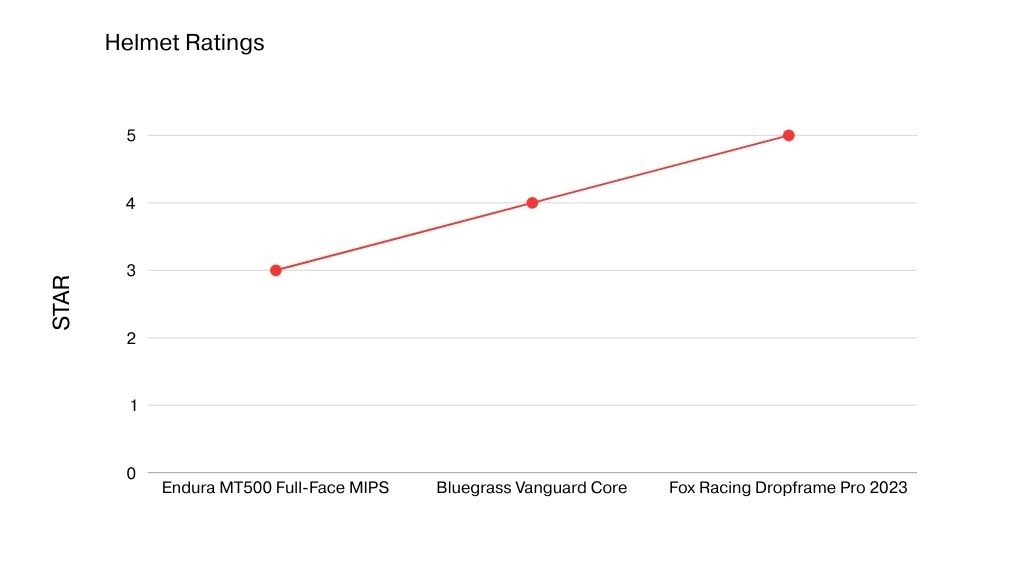
Whilst all helmets sold have to meet legal safety standards, independent labs provide objective ratings in order to show which models offer superior protection. The most well known ranking system is Virginia Tech Helmet Ratings (STAR System).
The process that takes part is helmets are subjected to 24 different impact tests that reflect real-world crashes. This includes tests for both linear and rotational forces. Each helmet then receives an overall STAR score and is assigned a rating from 1 to 5 stars , which indicates the best protection available.
Helmet Fit
A top-tier helmet is only as good as its fit. Understanding helmet sizing is a crucial safety factor. Let’s break down the ways in which you can understand the safest sizing methods. A properly fitted helmet should be snug but not painful.
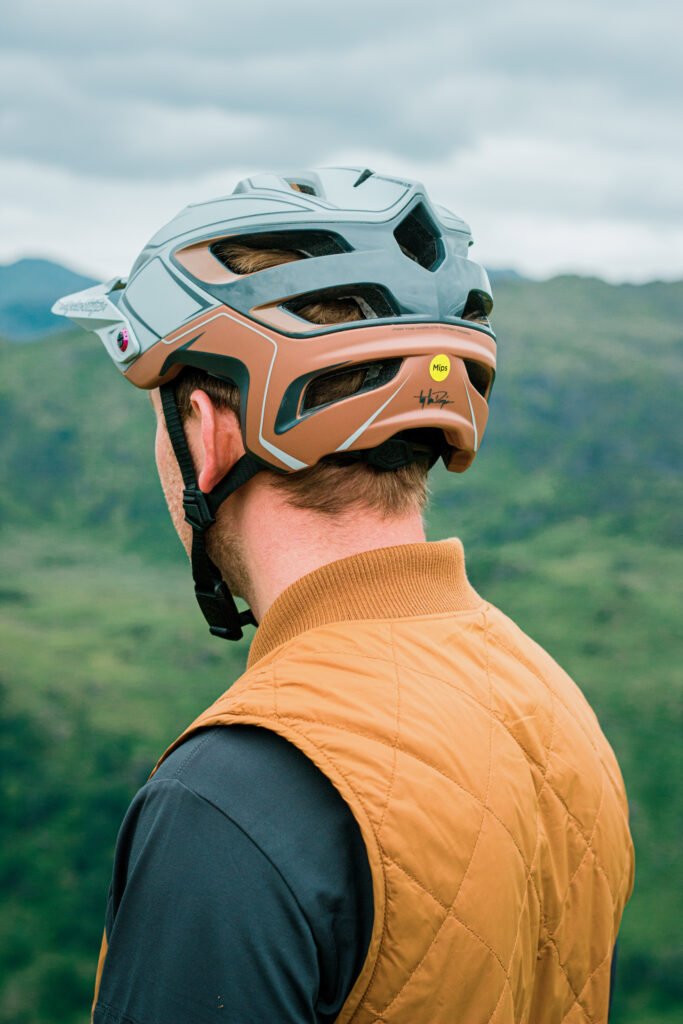

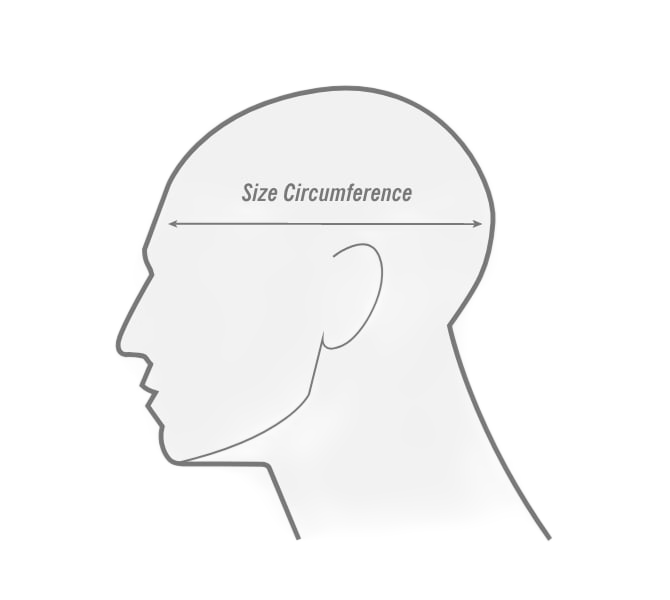
1. Measure Your Head
Measuring your head for a helmet is simple but essential for getting the right fit. Use a soft measuring tape and wrap it around the widest part of your head and straight around the back of the skull. The tape needs to remain level or else it won’t be an accurate measurement. Then compare this measurement to your brand of choices sizing chart, remembering that sizes can vary between manufacturers.
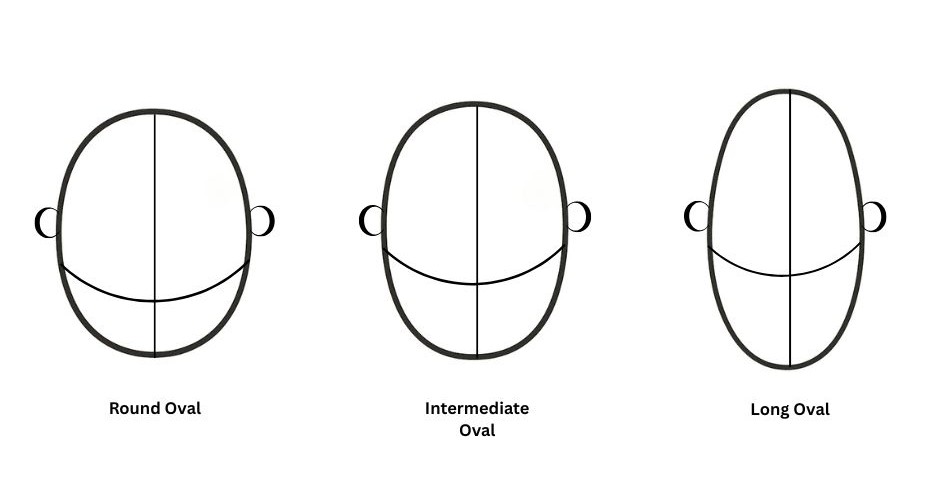
2. Identify Your Head Shape
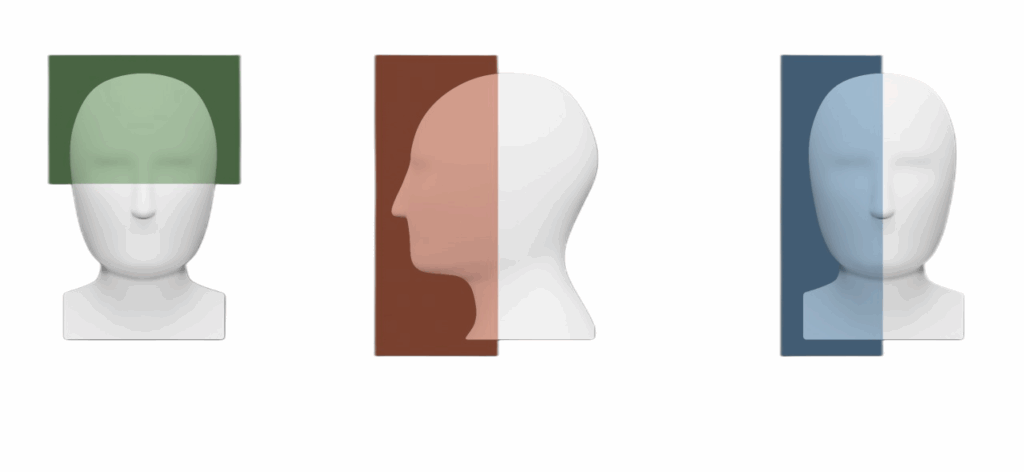
Identifying your head shape is crucial because a helmet can only protect you effectively if it makes consistent, even contact with your head. Helmets are designed around specific head shapes, typically round, intermediate oval and long oval. Once you have the helmet on make sure shake your head around, the helmet should move with your skin not slide around.
3. Strap Fit
The V split should cradle your ears. One or two fingers max under the chin strap.
Mountain bike classifications of helmet safety
MTB helmet safety classifications focus on coverage (open-face, ¾, full-face) and also impact protection (standard CPSC/CE, enhanced ASTM F1952 for DH) and finally, rotational force mitigation (MIPS, Spherical).

Types Of Coverage
Trail (open face): Lightweight with maximum ventilation and basic head coverage.
Enduro (¾ Shell): Extended coverage over ears, often with a fixed or removable chin guard, perfect for aggressive trail riding.
Downhill/BMX (Full-Face): Complete facial protection with a chin bar, for high-speed, high-risk gravity riding which is in line with stricter ASTM DH standards.
DH certified to ASTM F1952
You may of heard of this term before, or it may be completely new. Let me break it down. It means a mountain bike helmet meets the strict downhill standards, offering greater impact protection than most basic helmets. Helmets need to be able to withstand aggressive riding at high speeds and still ensure maximum safety.
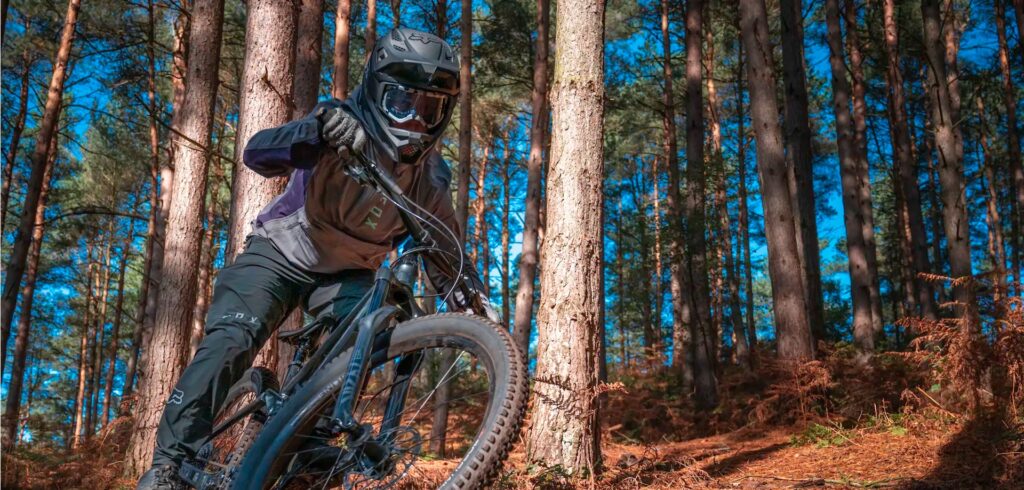
DH stands for (Down hill focus) and this certification is utilized specifically for helmets used in downhill mountain biking that are subjected to more risk than general trail riding. Higher standards ASTM F1952 requires more comprehensive coverage and higher impact energy absorption than just the regular bicycle helmet standards.
Helmets must go through rigorous testing and make sure they pass in each individual department. For example extended coverage tests cover lower parts of the head and face, which are the areas prone to impact on downhill crashes.
Are full-face MTB helmets the safer option?
They are definitely among the safest options, but it’s not clear. They provide you with the most head coverage by protecting the top, back, and sides of the skull and also the rigid chin bar protects the jaw. Virginia Tech only have a small collection of full-face helmets that have been tested. When tested in the same way as open-face helmets, using the same six impact locations, the collection of full-face helmets don’t score better. Considering they are designed for DH, aggressive trail riding and racing, it’s a surprising result.
New technologies like advanced impact foams and rotational-force mitigation systems are transforming how helmets manage both direct and angled impacts. At the same time, rigorous certification tests ensure that each helmet can withstand real-world conditions, and that each helmet is safe from high speed impacts.


